
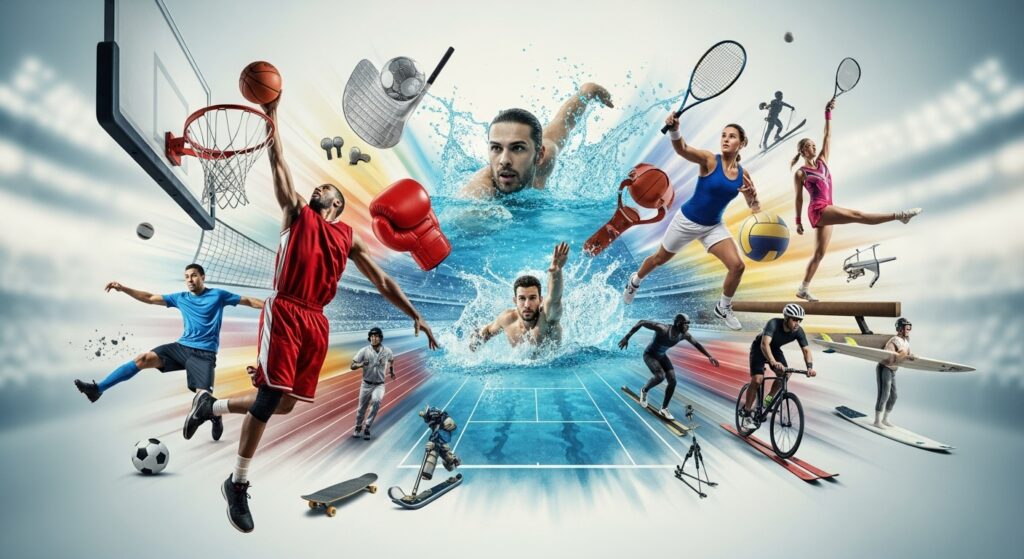
Introduction: The Universal Language of Sports
Sports have always been a universal medium through which people from different backgrounds, cultures, and generations can connect. Whether you’re an elite athlete or someone who plays casually on the weekends, the impact of sports is undeniable. It goes beyond the physicality of competition, reaching into the heart of personal development, teamwork, and resilience. Sports provide a platform where people can challenge their limits, break barriers, and discover their true potential.
The Physical Edge: Building Strength and Endurance
One of the primary reasons people engage in sports is the health benefits. Sports promote physical fitness and offer a fun, dynamic way to improve one’s overall health. From running to swimming or even team sports like soccer, physical activity boosts cardiovascular health, strengthens muscles, and improves bone density. Regular participation in sports has been shown to lower the risk of chronic conditions such as obesity, diabetes, and heart disease. But beyond just staying in shape, sports encourage the development of stamina, agility, and flexibility—skills that are essential not only for athletes but for everyday life.
The Mental Game: Fostering Focus and Discipline
Sports are a perfect training ground for mental fortitude. Engaging in any competitive activity sharpens the mind and helps to develop critical thinking, focus, and strategic planning. Whether you’re planning your next move in a tennis match or organizing team plays in football, sports require quick thinking and decision-making under pressure. These experiences help athletes build mental resilience, a quality that is invaluable both on and off the field. Furthermore, the discipline required for training, setting goals, and following routines cultivates a strong work ethic that carries over into other areas of life.
The Social Connection: Building Teams, Forging Bonds
Sports also excel in bringing people together. Team sports, in particular, require a level of collaboration and communication that promotes social bonding. Being part of a team teaches important lessons in cooperation, leadership, and the value of working towards a common goal. The connections made during sports can transcend the game itself, forming lifelong friendships and networks. Even for those who participate in individual sports, the sense of community and camaraderie within the sporting world creates a powerful support system.
Life Lessons from Sports: Overcoming Challenges and Embracing Failure
In sports, success and failure coexist. Winning and losing are part of the experience, but it’s how athletes handle those moments that truly shape their character. Through sports, people learn to bounce back from setbacks, stay motivated through adversity, and develop a strong sense of perseverance. A loss teaches humility, and a hard-earned victory teaches the value of effort and determination. These life lessons are transferable to many aspects of life, helping individuals to navigate challenges in their personal and professional worlds.
Conclusion: Sports as a Catalyst for Personal Growth
Sports are much more than just a form of entertainment or competition; they are a powerful tool for personal transformation. They enhance our physical health, strengthen our minds, and teach us valuable life skills that shape our character. Whether we’re playing to stay fit, build relationships, or improve our mental toughness, sports offer a unique way to unlock human potential. The lessons learned on the field or court can stay with us for a lifetime, reminding us of the power of persistence, teamwork, and the endless possibilities that lie within each of us.