Introduction
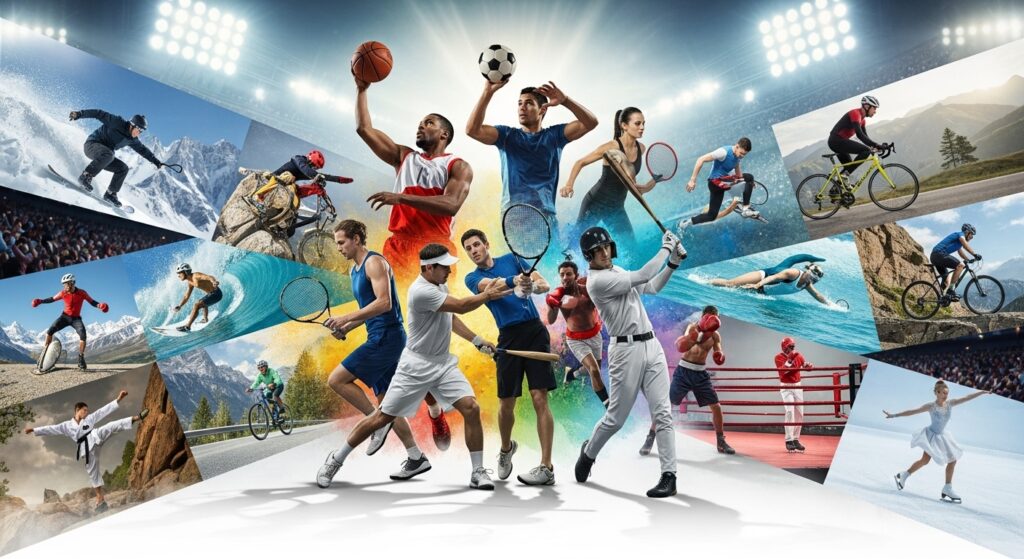
Sports have been an essential part of human life for centuries, transcending cultures, countries, and generations. They are more than just games; they are a platform for personal development, social connection, cultural expression, and global unity. From local playgrounds to international arenas, sports teach values such as discipline, teamwork, and resilience while offering entertainment and excitement. This blog explores the significance of sports, their historical evolution, physical and mental benefits, professional and amateur landscapes, technological advancements, and the challenges and future of sports in the modern era.
The Origins and Evolution of Sports
The history of sports dates back to ancient civilizations. In Greece, the Olympic Games, first held in 776 BC, were a celebration of physical prowess, honoring the gods and encouraging excellence. Similarly, ancient China and Egypt had their own traditional games, reflecting cultural values and social organization.
Over time, sports evolved from informal competitions to organized activities with structured rules, teams, and governing bodies. Medieval tournaments, local games, and traditional competitions laid the foundation for the development of modern sports. Today, organized leagues, professional competitions, and international tournaments showcase athletic excellence on a global scale.
Physical Benefits of Sports
Participation in sports offers numerous physical advantages. Engaging in regular physical activity improves cardiovascular health, strengthens muscles, enhances flexibility, and supports weight management. Sports like football, basketball, swimming, and athletics promote endurance, coordination, and agility.
Beyond fitness, sports help prevent chronic diseases, enhance immune function, and improve overall longevity. Even casual participation encourages active lifestyles, instilling healthy habits that benefit individuals throughout their lives. The physical advantages of sports extend far beyond immediate performance, contributing to long-term health and vitality.
Mental and Emotional Benefits
Sports also provide significant mental and emotional benefits. Physical activity triggers the release of endorphins, reducing stress, anxiety, and depression. Participating in sports enhances mood, promotes relaxation, and improves cognitive function.
Sports teach discipline, perseverance, and resilience. Athletes learn to overcome setbacks, manage pressure, and maintain focus under challenging circumstances. Team sports cultivate communication, empathy, and leadership, helping individuals develop essential life skills. Participation in sports fosters confidence, self-esteem, and emotional intelligence, positively influencing personal and professional growth.
Sports as a Cultural and Social Phenomenon
Sports are deeply intertwined with culture and society. They serve as a platform for expressing identity, celebrating traditions, and fostering national pride. Major events like the FIFA World Cup, the Olympic Games, and cricket tournaments unite diverse populations, creating shared experiences that transcend geographical and social boundaries.
Sports influence fashion, music, language, and media, reflecting cultural trends and shaping social norms. Fans demonstrate loyalty through jerseys, chants, and rituals, forming communities that connect people across backgrounds. Sports are not just competitions; they are a cultural expression that strengthens social bonds and collective identity.
Professional Sports: Careers and Global Impact
Professional sports have become a global industry, combining entertainment, business, and talent development. Athletes dedicate years to training, refining technical skills, and achieving peak performance. Professional leagues in football, basketball, tennis, and cricket offer structured opportunities for athletes to pursue careers while competing at the highest level.
High-profile tournaments attract millions of viewers worldwide, generating revenue from ticket sales, sponsorships, broadcasting rights, and merchandise. Athletes become role models, inspiring younger generations and influencing cultural trends. Professional sports have transformed athletic pursuits into lucrative careers while promoting global engagement and recognition.
Amateur Sports and Grassroots Development
Amateur sports play a vital role in community engagement and talent development. Local leagues, school competitions, and recreational clubs provide opportunities for individuals to participate in organized activities, promoting fitness, teamwork, and social interaction.
Grassroots sports foster inclusion, nurture talent, and create pathways for future professional athletes. Community programs focus on education, health, and social development, highlighting the broader benefits of sports beyond competition. Amateur participation strengthens local communities, encouraging collaboration and fostering a sense of belonging among participants.
Sports and Education
Sports are a powerful complement to education, promoting personal development alongside academic growth. Schools and universities encourage athletic participation to teach discipline, teamwork, and leadership. Student-athletes balance rigorous academic and training schedules, developing time management skills and resilience.
Scholarships and intercollegiate competitions provide opportunities for young athletes to pursue higher education while honing their skills. Integrating sports into education cultivates well-rounded individuals, fostering both physical and intellectual development. Sports teach practical life skills, shaping students into capable, confident, and responsible individuals.
Technological Innovations in Sports
Technology has transformed how sports are played, analyzed, and consumed. Wearable devices, performance analytics, and video review systems enhance training efficiency, monitor athlete health, and optimize performance. High-definition broadcasting, virtual reality, and interactive fan engagement have changed how audiences experience sports.
Technology also supports injury prevention and recovery. Biomechanical analysis, rehabilitation tools, and real-time data help athletes maintain peak performance while minimizing risks. Data-driven coaching strategies allow teams to refine techniques, gain competitive advantages, and achieve higher levels of performance.
Sportsmanship, Ethics, and Fair Play
Sportsmanship is a fundamental principle in all athletic pursuits. Fair play, respect for opponents, and adherence to rules maintain the integrity of competitions. Ethical behavior, both on and off the field, fosters trust, respect, and positive role modeling.
Issues such as doping, corruption, and match-fixing threaten the credibility of sports. Promoting inclusivity, equality, and fairness ensures that competitions remain legitimate and enjoyable for athletes and spectators alike. Sportsmanship transcends victory or defeat, reflecting personal character and societal values.
Global Competitions and International Unity
International sports competitions unite people across borders, languages, and cultures. Events like the Olympic Games, World Cups, and continental championships celebrate human potential and athletic achievement on a global stage. Fans from diverse backgrounds come together to cheer, celebrate, and share the excitement of competition.
Sports encourage cultural exchange and mutual understanding. They inspire nations to invest in athletic programs, facilities, and youth development initiatives. By showcasing excellence and promoting camaraderie, international competitions strengthen global solidarity and foster shared values.
Challenges Facing Modern Sports
Despite their positive impact, sports face numerous challenges. Excessive commercialization, unrealistic expectations, and pressure on athletes can lead to burnout and mental health issues. Ensuring gender equality, accessibility, and inclusivity remains a priority to create a fair playing field for all participants.
Other concerns include ethical violations, such as doping and match-fixing, which undermine public trust. Maintaining transparency, governance, and ethical standards is essential to preserving the credibility and sustainability of sports as a cultural and social institution.
The Future of Sports
The future of sports is dynamic, shaped by technology, societal trends, and global connectivity. Virtual and augmented reality, interactive fan experiences, wearable analytics, and data-driven strategies are redefining how sports are played and enjoyed.
Sustainability, ethical governance, and inclusivity will be central to the evolution of sports. Integrating innovation with tradition, sports will continue to inspire, educate, and unite people worldwide. As society evolves, sports will remain a universal platform for personal growth, social cohesion, and cultural expression.
Conclusion
Sports are far more than recreational activities; they are a powerful force that shapes individuals, communities, and societies. They promote physical health, mental well-being, teamwork, discipline, and resilience. From amateur leagues to professional arenas, local competitions to global championships, sports influence culture, education, and social cohesion.
As technology, globalization, and cultural exchange continue to evolve, sports will adapt, inspiring generations, connecting communities, and celebrating human potential. They are not just games—they are a reflection of humanity’s pursuit of excellence, unity, and joy. Sports will always remain a vital part of life, shaping the present and future of individuals and societies alike.