
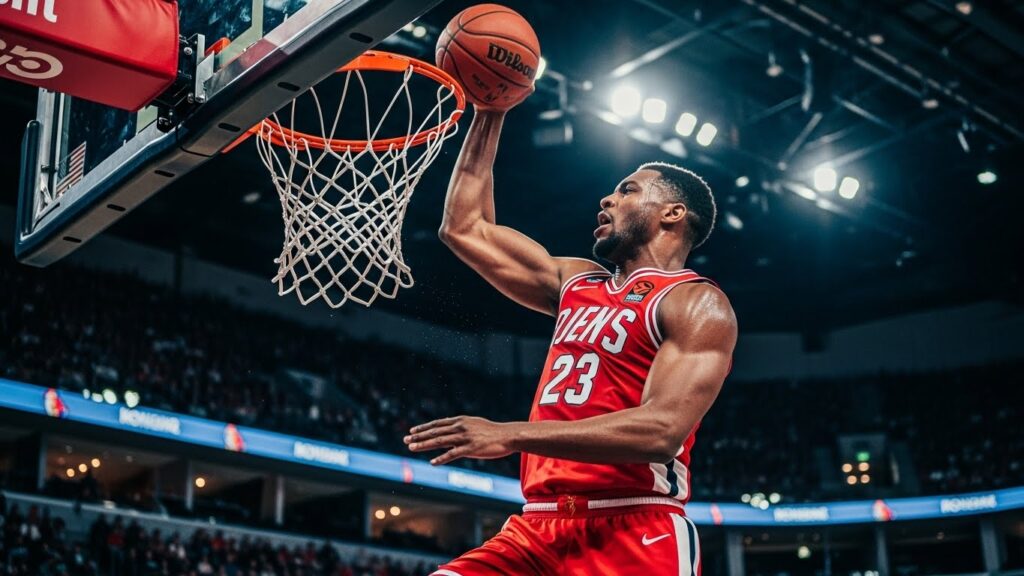
Introduction: The Universal Appeal of Sports
Sports are one of humanity’s oldest and most beloved activities. From ancient civilizations to modern societies, sports have transcended culture, language, and geography to become a universal source of excitement, passion, and inspiration. Whether played on local fields, in professional arenas, or virtually, sports foster physical fitness, mental well-being, teamwork, and personal growth.
Beyond recreation, sports play a significant role in shaping culture, inspiring communities, and driving social and economic impact. They are not only about winning or losing but also about building character, connecting people, and celebrating human potential.
The History of Sports
Sports have a rich and diverse history. Ancient civilizations engaged in competitive activities to prepare for war, celebrate religious festivals, or showcase physical prowess. The Olympic Games in ancient Greece exemplified how sports combined competition, ritual, and cultural pride.
As societies evolved, sports became more organized, with formal rules, leagues, and tournaments. Games like soccer, cricket, basketball, and athletics developed into structured competitions that continue to captivate millions today. Understanding the historical roots of sports highlights their enduring importance in human life.
Physical Benefits of Sports
One of the most obvious benefits of sports is physical health. Regular participation in sports improves cardiovascular fitness, muscle strength, flexibility, and coordination. Engaging in physical activity also reduces the risk of chronic diseases, enhances immunity, and promotes overall wellness.
Sports help individuals develop discipline and endurance. Athletes often follow structured routines, monitor nutrition, and maintain fitness, which contributes to long-term health. Even casual participation in sports, such as jogging, swimming, or recreational games, supports an active lifestyle that is essential for physical well-being.
Mental and Emotional Benefits
Sports contribute significantly to mental and emotional health. Physical activity releases endorphins, reducing stress, anxiety, and depression. Participating in sports also improves concentration, decision-making, and problem-solving abilities.
Sports teach emotional resilience. Athletes experience wins, losses, and challenges, learning to manage disappointment, celebrate success, and stay motivated. The sense of achievement from mastering a skill or reaching a goal enhances self-confidence and emotional intelligence.
The Importance of Teamwork
Team sports like football, basketball, and volleyball emphasize collaboration. Success in these games depends not only on individual talent but also on coordination, communication, and mutual support.
The lessons learned on the field extend into everyday life. Teamwork in sports teaches leadership, conflict resolution, and cooperation. It encourages understanding diverse perspectives, trusting others, and working collectively toward shared goals. These skills are invaluable in education, careers, and social relationships.
Sports and Culture
Sports reflect and shape culture. They serve as a platform for national pride, community identity, and cultural expression. Major international events, such as the Olympics or the FIFA World Cup, unite countries and inspire collective enthusiasm.
Local and traditional sports preserve cultural heritage. Festivals and regional tournaments showcase indigenous games, reinforcing cultural identity while providing entertainment. Sports, therefore, act as both a mirror and a bridge, connecting communities while celebrating diversity.
The Economic Impact of Sports
Sports are a significant driver of economic activity. Professional leagues, tournaments, sponsorships, and merchandise generate billions in revenue worldwide. Athletes, coaches, media professionals, and event organizers benefit directly, creating employment and business opportunities.
Sports tourism also contributes to local economies. Fans travel to attend matches, tournaments, and championships, boosting hospitality, transportation, and retail sectors. The economic influence of sports underscores its role beyond entertainment, highlighting its contribution to livelihoods and societal growth.
Sports in Education
Sports play a crucial role in education, promoting holistic development. Schools and universities encourage participation in athletics to enhance physical health, discipline, and leadership skills. Sports programs teach time management, goal-setting, and perseverance.
Scholarships and professional pathways in sports provide opportunities for talented individuals to pursue careers while continuing education. Combining academics with athletics helps students develop a balanced approach to personal and professional growth.
Women in Sports
Women’s participation in sports has grown tremendously over the past century. Female athletes now compete at elite levels in football, cricket, tennis, athletics, and countless other disciplines. Their achievements inspire younger generations and challenge gender stereotypes.
Despite progress, barriers remain, including unequal pay, limited media coverage, and fewer sponsorship opportunities. Promoting equality and inclusivity ensures women have the same opportunities to excel, fostering diversity and empowerment within sports.
Technology and Sports
Technology has transformed how sports are played, analyzed, and consumed. Wearable devices monitor performance, track health, and optimize training routines. Video analysis and motion tracking allow athletes to refine skills and strategies.
For fans, technology provides enhanced experiences through live streaming, instant replays, and virtual reality. Data analytics inform coaching decisions, player recruitment, and game strategies. Technology ensures sports are more competitive, engaging, and inclusive than ever before.
Sportsmanship and Ethical Values
Sports serve as a platform for teaching ethical values such as fairness, respect, and integrity. Sportsmanship emphasizes following rules, respecting opponents, and competing honorably.
These lessons extend into personal behavior, promoting empathy, honesty, and moral responsibility. Maintaining fair play, enforcing anti-doping measures, and ensuring ethical conduct preserves the credibility and spirit of sports, making competitions meaningful and inspiring.
Entertainment and Spectacle
Sports are a major form of entertainment, captivating audiences worldwide. Spectators enjoy the excitement of live matches, the unpredictability of outcomes, and the display of skill and talent.
Beyond watching, fans engage through fantasy leagues, social media discussions, and community events. Sporting moments become cultural milestones, creating shared memories and experiences that transcend the game itself. Sports are both participation and performance, merging athleticism with entertainment.
Sports as a Tool for Social Change
Sports have the power to drive social change. Athletes and events raise awareness for causes, promote inclusivity, and inspire activism. Community sports programs encourage youth engagement, social cohesion, and healthy lifestyles.
Global campaigns link sports with education, gender equality, and environmental awareness. Through its influence and reach, sports can transform societies, promote equality, and empower individuals.
Globalization of Sports
Globalization has expanded the reach and influence of sports. International tournaments, global media coverage, and online platforms allow fans to follow teams and athletes worldwide.
Athletes compete across borders, creating role models and promoting cultural exchange. Exposure to diverse playing styles and traditions enriches the sporting world, fostering international cooperation and understanding. Sports have become a unifying force, connecting people regardless of nationality or background.
The Future of Sports
The future of sports is shaped by innovation, inclusivity, and sustainability. Emerging technologies such as artificial intelligence, augmented reality, and virtual reality will enhance training, performance analysis, and fan experiences.
Sustainable stadiums, eco-friendly practices, and responsible event management will reduce environmental impact. Greater inclusivity will ensure participation across genders, abilities, and socio-economic backgrounds. The evolution of sports will continue to reflect societal values, technological advancements, and global trends.
Conclusion: The Lasting Impact of Sports
Sports are far more than games—they are a reflection of human spirit, culture, and society. They inspire individuals, unite communities, and drive personal and social development. Participation promotes physical fitness, mental resilience, teamwork, and ethical values.
Globally, sports create shared experiences, foster national pride, and offer platforms for cultural expression. From grassroots activities to professional leagues, sports influence lives in profound ways, transcending mere competition.
As society progresses, sports will continue to evolve, embracing technology, inclusivity, and sustainability. The thrill of competition, pursuit of excellence, and joy of participation will remain timeless. In every kick, throw, or sprint, sports embody the power to transform lives and connect the world.