
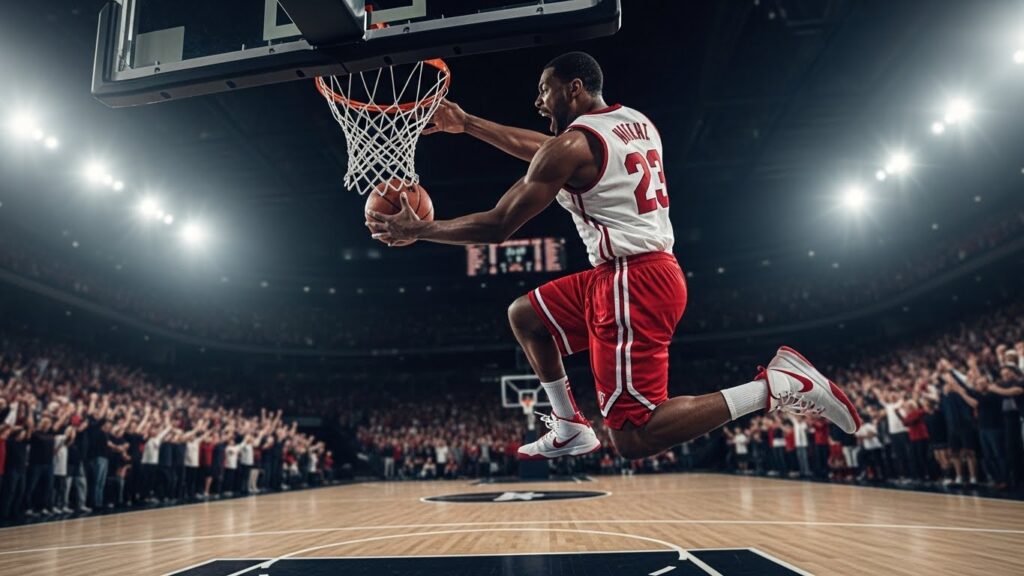
Introduction: The Ever-Beating Heart of Sports Culture
Sports have long been woven into the fabric of human society. From ancient competitive games carved into the histories of early civilizations to high-energy global tournaments watched by billions today, sports remain a universal language of passion, teamwork, dedication, and identity. In the modern era, sports are not just about winning and losing; they influence culture, economy, technology, and even personal development on a global scale. This blog explores how sports continue to shape our daily lives, inspire communities, and spark evolution in both individual and collective human experience.
The Emotional Power of Sports
One of the most compelling aspects of sports is the emotional connection they foster. Fans often form lifelong attachments to teams, players, or even specific sporting moments. The emotional highs and lows tied to a game create experiences that stay with people for decades.
A victory can unify entire towns and cities, while a loss can produce a shared moment of collective heartbreak. Families bond over watching games together, friendships form through supporting the same teams, and stadiums become gathering places where strangers are suddenly united by a common cause. This shared emotional investment is what transforms sports from mere entertainment into something deeply meaningful.
Sports as a Builder of Character
Sports teach life lessons in a way that few other activities can. Children and teenagers who participate in sports learn discipline, time management, perseverance, and teamwork. These skills transfer into their academic, professional, and personal lives as they grow.
Athletes learn how to handle pressure, solve problems quickly, and work constructively with others toward a shared objective. They also learn to accept defeat gracefully and use setbacks as fuel for improvement. These lessons become part of who they are, shaping their confidence and resilience long after they leave the field or court.
The Rise of Technology in Modern Sports
The sports landscape is evolving rapidly thanks to technological advancements. Today, technology is used to analyze player performance, enhance training, improve fairness, and engage fans more effectively than ever before.
Wearable devices track heart rate, speed, and fatigue levels. Video analysis tools help athletes refine their techniques, while smart stadiums provide immersive experiences for spectators. Even traditional equipment has undergone technological transformation, becoming lighter, stronger, and more precise.
Technology has also played a significant role in reducing injuries. Sensors and advanced imaging allow medical teams to identify risk factors earlier and design safer training routines. This integration of science and sports demonstrates how innovation continues to push human performance to new heights.
Economic Impact of the Sports Industry
Sports contribute enormously to the global economy. Stadiums, sports clubs, merchandise, broadcasting rights, and tourism generate jobs and revenue on an immense scale. Major sporting events can boost the economy of a host city by attracting visitors, increasing spending, and encouraging development.
Clubs and franchises operate as major businesses, employing thousands and investing heavily in infrastructure. Athletes themselves contribute economically through brand partnerships, endorsements, and charitable initiatives that impact local communities.
Even at the amateur level, sports programs create opportunities for coaching, training, and facility management. This economic influence highlights how sports reach far beyond the playing field.
Sports as a Unifying Force in Society
At a time when the world is often divided by political, cultural, or social differences, sports provide a rare avenue for unity. People from diverse backgrounds can come together to cheer for the same team, celebrating every goal or victory as a shared triumph.
Large sporting events often showcase national pride, bringing entire nations together in support of their athletes. Even at grassroots levels, local sports teams foster community pride and engagement.
Sports also promote values such as equality, fair play, and mutual respect. Mixed-gender leagues, adaptive sports for athletes with disabilities, and inclusive recreational programs underscore the idea that sports are for everyone, strengthening the fabric of society through shared participation.
The Global Influence of Star Athletes
Athletes today are not just competitors; they are influencers, philanthropists, and role models. Their impact often extends far beyond the sport they play.
Through their platforms, athletes advocate for social issues, raise awareness for charitable causes, and inspire millions to pursue healthier lifestyles. They represent perseverance and excellence, showing fans that hard work and determination can turn dreams into reality.
Their stories of struggle and triumph resonate deeply with people, reminding us that sports heroes are not born but made through dedication, sacrifice, and relentless passion.
The Importance of Grassroots and Youth Sports
While professional competitions attract the most attention, grassroots sports form the foundation of the sporting world. Community leagues, school teams, and recreation programs give countless young athletes their first taste of competition.
These programs encourage physical fitness and teach children the value of commitment and teamwork. More importantly, they provide safe social environments where kids can build friendships and grow emotionally.
Communities with strong youth sports cultures often experience increased social cohesion, lower crime rates, and greater educational engagement. This demonstrates that youth sports are not just extracurricular activities but essential contributors to healthy community development.
The Mental Health Benefits of Sports
Regular participation in sports is known to have significant mental health benefits. Physical activity releases endorphins, which reduce stress and improve mood. Team sports in particular foster a sense of belonging and reduce feelings of isolation or loneliness.
For many, sports serve as an outlet to escape daily pressures and reset emotionally. Even watching sports can provide mental relief by creating moments of excitement, suspense, and joy. The mental health advantages highlight why sports must continue to be accessible to all.
Challenges and Controversies in Modern Sports
Despite their benefits, sports are not without challenges. Issues such as doping, financial corruption, and the intense pressure placed on young athletes continue to affect the industry. Media scrutiny and social expectations can create overwhelming stress for players, sometimes leading to burnout or mental health struggles.
There are also debates around fairness, especially in relation to technology use, gender categories, and international competition regulations. Ensuring transparency, safety, and inclusivity remains essential as sports evolve.
Acknowledging these challenges and working toward solutions is crucial for maintaining the integrity and positive spirit of athletic competition.
The Future of Sports: What Lies Ahead
The future of sports promises even more innovation and opportunity. Virtual reality may transform fan engagement, allowing spectators to experience games from immersive new perspectives. Artificial intelligence could revolutionize training by providing personalized performance analytics.
We may see entirely new sports emerge from modern technology or global trends. Sustainability efforts are also becoming central, with eco-friendly stadiums and events promoting environmental responsibility.
What remains certain is that sports will continue to evolve, adapt, and inspire future generations. The essence of competition, perseverance, and human achievement will always remain at the core of athletic culture.
Conclusion: Why Sports Will Always Matter
Sports are more than games; they are powerful expressions of human spirit and community. They connect us, challenge us, and inspire us in ways few other activities can. Whether on the world stage or in local communities, sports teach invaluable lessons, spark emotions, and shape identities.
As technology advances and societal values shift, sports will continue to evolve, but their impact will remain strong and far-reaching. They remind us of the joy of movement, the thrill of competition, and the beauty of shared human experience.
Sports are an ongoing story of passion, resilience, and unity—and each of us, whether player or fan, plays a part in that story