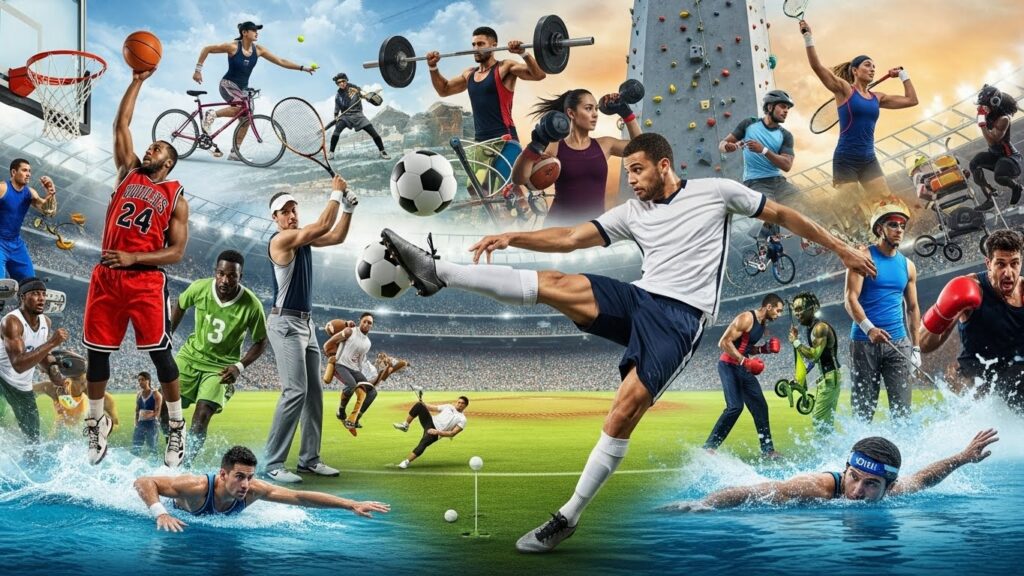
Sports have been a cornerstone of human culture for centuries, transcending borders, languages, and backgrounds. Whether it’s the roar of the crowd in a packed stadium or the quiet intensity of a friendly match among friends, sports have a unique way of bringing people together. From the thrill of competition to the joy of physical activity, sports offer much more than just a form of entertainment—they provide a sense of community, teach valuable life skills, and even promote physical and mental well-being. This blog will explore the diverse and dynamic world of sports, examining their history, cultural significance, and the evolving nature of athletic competition in the 21st century.
The Origins and Evolution of Sports
Sports, in their various forms, have been practiced for thousands of years. The ancient Greeks are often credited with being the pioneers of organized sports, with the Olympic Games dating back to 776 BCE. These early athletic competitions were not only a test of physical prowess but also a celebration of human achievement. The Olympics represented an opportunity for athletes to display their strength, speed, and endurance, and over time, these games grew to become one of the most prestigious events in the sporting world.
Other ancient civilizations also had their own versions of competitive games. The ancient Egyptians, for example, engaged in various physical contests, such as wrestling and archery. Similarly, the Mayans and Aztecs played a form of ball game that was both a sport and a ritualistic activity. As societies advanced, sports began to evolve, becoming more structured and formalized.
In medieval Europe, activities like jousting and archery were commonly practiced by knights and soldiers, serving both as training and entertainment. By the time the Renaissance era arrived, sports like tennis and football (soccer) began to emerge in their more recognizable forms. These early forms of sport laid the groundwork for the global sporting competitions we see today.
The Globalization of Sports: A Universal Language
As sports continued to evolve, they began to spread beyond regional boundaries. The rise of colonialism in the 18th and 19th centuries played a significant role in the global spread of sports. For example, British colonization introduced cricket and football (soccer) to many parts of the world, while rugby found its roots in the British Isles and spread to countries like New Zealand and South Africa.
In the modern era, the rise of global communication and transportation networks accelerated the globalization of sports. The creation of international sporting organizations, such as the International Olympic Committee (IOC) and FIFA, helped standardize the rules of many sports and created opportunities for global competition. Today, sports like soccer, basketball, tennis, and cricket are played and followed by millions of people worldwide, transcending cultural and language barriers.
One of the most significant aspects of sports’ globalization is the ability to bring people from different cultures together. Major international events like the FIFA World Cup, the Olympic Games, and the ICC Cricket World Cup unite people from all walks of life, fostering a sense of global community and camaraderie. These events not only celebrate athletic achievement but also create opportunities for cultural exchange and understanding.
The Role of Sports in Society: Beyond the Game
Sports have always been more than just a form of physical activity—they play a central role in shaping society. The impact of sports extends far beyond the playing field, influencing social, political, and cultural aspects of life. From fostering community identity to providing a platform for social change, sports have a powerful ability to shape public discourse.
1. Sports as a Tool for Social Change
Sports have long served as a platform for advocating social change and addressing issues of inequality and injustice. One of the most iconic examples of this is the Civil Rights Movement in the United States, where athletes like Muhammad Ali, Tommy Smith, and John Carlos used their platform to speak out against racism and inequality. These moments in history demonstrated the power of athletes to influence society and inspire social change.
In more recent years, movements like Black Lives Matter have seen athletes use their visibility to raise awareness about systemic racism and social justice. Colin Kaepernick’s decision to kneel during the national anthem as a form of protest against police brutality sparked a global conversation about racial injustice and the role of athletes in advocating for change.
2. Sports and National Identity
Sports are often linked to national identity and pride. In many countries, the performance of athletes in international competitions like the Olympics or World Cup is a matter of national significance. Success in sports can foster a sense of unity and national pride, with athletes often becoming symbols of their countries’ strength and resilience.
For example, when South Africa won the 1995 Rugby World Cup, it was a powerful symbol of national reconciliation following the end of apartheid. The victory was not just a sporting achievement; it was a statement of unity in a country that had undergone tremendous political and social change.
Similarly, countries with strong traditions in specific sports often experience a sense of collective pride when their teams succeed on the international stage. In countries like Brazil and Argentina, soccer is more than just a sport—it is an integral part of national culture, and the success of their national teams is celebrated with fervor.
3. The Commercialization of Sports
While sports have traditionally been a form of entertainment and competition, the commercialization of athletics has dramatically changed the landscape. In the modern era, sports have become a multibillion-dollar industry, with television rights, sponsorships, merchandise, and ticket sales generating massive revenue streams. Major leagues like the NFL, NBA, Premier League, and Formula 1 are now global brands, attracting millions of fans and billions of dollars in investment.
The commercialization of sports has led to a rise in the popularity of professional leagues and athletes, transforming them into celebrities with significant influence. Sponsorship deals, media rights, and merchandising have made sports one of the most profitable sectors in the global economy. At the same time, however, this commercialization has raised concerns about the integrity of competition and the potential exploitation of athletes.
The Changing Nature of Sports in the 21st Century
In the 21st century, the world of sports is evolving faster than ever before. New technologies, changing fan expectations, and the rise of digital media are reshaping how sports are consumed and experienced. Let’s take a look at some of the key trends that are defining the modern sports landscape.
1. The Rise of Esports
One of the most significant developments in the sports world in recent years has been the rise of esports. Competitive video gaming has rapidly grown from a niche hobby to a global phenomenon, with professional players, tournaments, and massive online viewership. Esports has become so popular that it now rivals traditional sports in terms of audience size and commercial value.
Esports events like The International (Dota 2) and the League of Legends World Championship attract millions of viewers, and the prize money for these tournaments often surpasses that of traditional sports competitions. Esports athletes are now treated as professionals, with sponsorships, media deals, and dedicated fanbases that follow them much like traditional sports stars.
The rise of esports has also led to the inclusion of gaming in major events, such as the Asian Games, where esports was featured as a demonstration sport. As the digital age continues to evolve, esports may become even more integral to the global sports landscape.
2. The Impact of Technology on Sports
Technology is transforming how sports are played, watched, and analyzed. Advances in sports science have led to better training methods, injury prevention techniques, and performance optimization. Athletes now have access to cutting-edge technology, including wearable devices that track their physical metrics, AI-based training tools, and virtual reality simulations.
Technology has also revolutionized the way sports are broadcasted and consumed. High-definition broadcasts, drones, and augmented reality have enhanced the viewing experience, while streaming platforms have made it easier for fans to watch their favorite sports live from anywhere in the world. Fans can now engage with their favorite teams and players through social media, adding a layer of interactivity to the traditional fan experience.
Moreover, technologies like VAR (Video Assistant Referee) in soccer and Hawk-Eye in tennis have introduced new ways to ensure fairness and accuracy in decision-making. These innovations, while sometimes controversial, have contributed to making sports more transparent and precise.
3. Women in Sports
While male athletes have historically received the lion’s share of attention and recognition, women’s sports have gained increasing visibility and respect in recent years. Female athletes in sports like tennis, soccer, and basketball have broken records, defied expectations, and inspired millions of young girls to pursue their passions.
The rise of women’s sports has been accompanied by a push for gender equality in pay, opportunities, and media coverage. Events like the FIFA Women’s World Cup and the WNBA have provided platforms for women athletes to showcase their talent on a global stage, leading to greater recognition and investment in women’s sports.
While there is still a long way to go in achieving full gender equality in sports, the progress made in recent years has been encouraging, and the future looks bright for female athletes.
The Future of Sports: A Thriving Global Community
The world of sports is in a constant state of evolution. As technology, globalization, and cultural shifts continue to shape the landscape, sports will remain a central part of our lives, offering opportunities for entertainment, social connection, and personal growth. Whether through traditional sports, esports, or emerging forms of athletic competition, sports will continue to unite people from all corners of the globe and provide a platform for human achievement.