
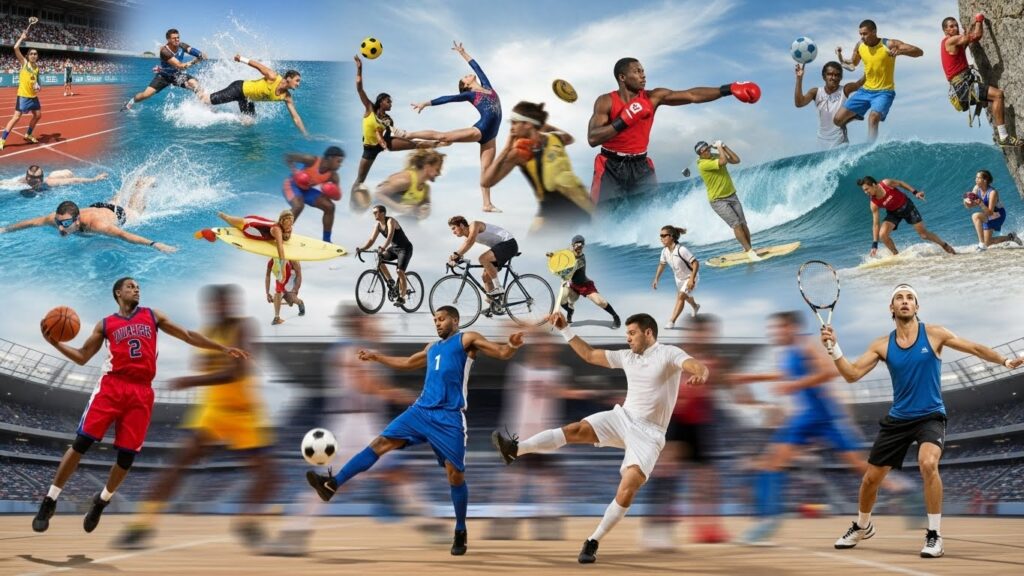
Introduction: Sports Beyond the Arena
Sports are far more than competitions and scores. They are a universal language that connects people across cultures, ages, and backgrounds. From casual games in neighborhood parks to international tournaments watched by millions, sports have the ability to inspire, teach, and unite. They not only strengthen our bodies but also nurture our minds, build character, and shape communities. In this post, we explore the deep impact sports have on individuals, society, and culture, showing why they remain a vital part of human life.
The Emotional Power of Sports
Sports evoke a unique emotional intensity that few other activities can match. Whether it is the thrill of a last-minute goal, the tension of a close match, or the joy of victory after persistent effort, sports stir feelings that linger long after the game ends. Fans experience these emotions as deeply as players, creating an unspoken bond between athletes and spectators. Celebrating a win becomes a shared experience, and coping with loss can teach resilience and empathy.
The emotional connection in sports also fosters a sense of identity. Supporting a team or participating in local sports allows people to belong to a larger community. Shared enthusiasm and celebration strengthen friendships, create lasting memories, and give people a sense of purpose and involvement beyond their personal lives.
Physical Benefits and Health
The most obvious benefit of sports is physical fitness. Regular participation in sports enhances cardiovascular health, improves muscular strength, increases flexibility, and boosts endurance. Activities like running, swimming, cycling, and team-based sports improve overall body coordination and agility. Even moderate exercise through recreational sports helps reduce risks of chronic illnesses like obesity, diabetes, and heart disease.
Beyond the obvious health improvements, sports encourage long-term healthy habits. Children who engage in sports often continue an active lifestyle into adulthood, leading to improved quality of life. For adults, sports offer a productive outlet for physical activity, reducing stress and contributing to better sleep, energy, and mental clarity. Sports are not just about performance; they are a tool for lifelong wellness.
Developing Mental Strength
Participating in sports builds mental resilience in ways that go beyond physical fitness. Athletes learn to handle pressure, focus attention, make quick decisions, and manage stress. The discipline required in training and competing teaches patience, persistence, and strategic thinking. These lessons are transferable to every aspect of life, from academics to careers to personal challenges.
Facing defeat or setbacks on the field also strengthens emotional intelligence. Athletes learn to manage frustration, adapt to changing circumstances, and maintain motivation despite difficulties. Sports teach the critical lesson that success is not only about talent but also about determination, preparation, and mental fortitude.
Building Discipline and Work Ethic
Discipline is at the core of athletic achievement. Athletes follow structured routines, maintain diets, manage time efficiently, and push themselves through physical and mental barriers. This consistent effort translates into a strong work ethic that benefits every aspect of life.
Students involved in sports often excel academically because they have learned focus, persistence, and time management. Adults who participate in sports maintain higher levels of motivation and productivity in professional settings. The lessons learned on the field shape character, instilling habits that lead to long-term success.
Sports as a Social Equalizer
One of the remarkable aspects of sports is their ability to level the playing field. Regardless of background, culture, or socioeconomic status, individuals have the opportunity to succeed based on effort and talent. On the field, the barriers that divide society fade, replaced by shared goals and teamwork.
Team sports, in particular, foster cooperation and understanding. Teammates rely on one another, learn each other’s strengths and weaknesses, and develop mutual respect. Communities unite around sporting events, forging bonds that transcend differences. Sports remind us that collaboration, trust, and mutual support can overcome societal divides.
Fostering Teamwork and Leadership
Sports teach the value of teamwork like no other activity. Individual talent alone cannot guarantee victory in team competitions. Success depends on collaboration, communication, and strategic coordination. Athletes learn to recognize the strengths of others, adjust their approach, and contribute to a common objective.
This emphasis on cooperation and leadership benefits participants far beyond the field. Teamwork in sports nurtures skills essential in workplaces, academic projects, and social groups. Athletes who have experienced leadership responsibilities, such as captaining a team, develop confidence and the ability to guide others effectively in multiple contexts.
Role Models and Inspiration
Athletes often become powerful sources of inspiration. Their stories of struggle, determination, and triumph motivate others to pursue goals and face challenges with courage. From local heroes to global sports icons, athletes demonstrate the value of hard work, resilience, and integrity.
The stories of underdog victories and personal comebacks resonate deeply, showing that obstacles can be overcome with dedication. These narratives not only inspire individuals but also enrich society by promoting values of perseverance, fairness, and excellence.
The Economic and Cultural Impact of Sports
Sports also have a significant impact on economies and cultures. Major events stimulate local economies through tourism, business, and infrastructure development. Stadiums, training centers, sports clubs, and merchandise generate employment opportunities and contribute to financial growth.
Culturally, sports are a shared tradition that brings communities together. Festivals, tournaments, and competitions create opportunities for celebration, learning, and connection. Sports influence art, fashion, and media, embedding themselves deeply into cultural identities and collective memory.
Women in Sports: Breaking Barriers
The rise of women in sports is one of the most important developments in modern athletic history. Female athletes continue to challenge stereotypes, excel in their fields, and inspire future generations. Increased visibility, professional opportunities, and support for women’s sports have created a more inclusive and equitable athletic world.
Women’s achievements in sports demonstrate that talent, dedication, and hard work transcend gender. Their success fosters empowerment, encourages girls to participate in athletics, and highlights the importance of representation and equality in every sphere of life.
Technological Advances in Sports
Technology has transformed the way we play, train, and enjoy sports. Wearable devices track performance metrics, data analytics help optimize strategies, and virtual reality enhances training techniques. Sports science allows athletes to reach levels of performance once thought impossible, while injury prevention and recovery technologies extend careers and improve safety.
Fans also benefit from technology through live broadcasts, real-time updates, and immersive experiences. Digital platforms enable people worldwide to connect, follow, and celebrate sports in ways that were unimaginable just decades ago. Technology continues to push sports into the future, creating opportunities for athletes and enthusiasts alike.
Sportsmanship and Character Development
At the heart of sports lies sportsmanship—the respect for rules, opponents, and the spirit of the game. Sportsmanship teaches humility in victory, grace in defeat, and integrity at all times. Athletes learn to value effort and dedication above mere results, shaping character and fostering ethical behavior.
The lessons of fairness, empathy, and respect gained through sports often extend to everyday life. Sportsmanship encourages individuals to appreciate collaboration, acknowledge the efforts of others, and navigate challenges with moral clarity.
Conclusion: The Lasting Impact of Sports
Sports are not merely games or competitions. They are experiences that shape minds, bodies, and communities. They teach discipline, resilience, teamwork, and empathy, and they inspire millions to strive for excellence. The influence of sports extends beyond physical activity, reaching into social, cultural, and economic spheres.
Whether you are an athlete, a fan, or someone who enjoys observing the thrill of the game, sports enrich life in countless ways. They connect people, build character, and create memories that last a lifetime. The pulse of play continues to beat in every community, reminding us that sports are an enduring, transformative force in human society.