
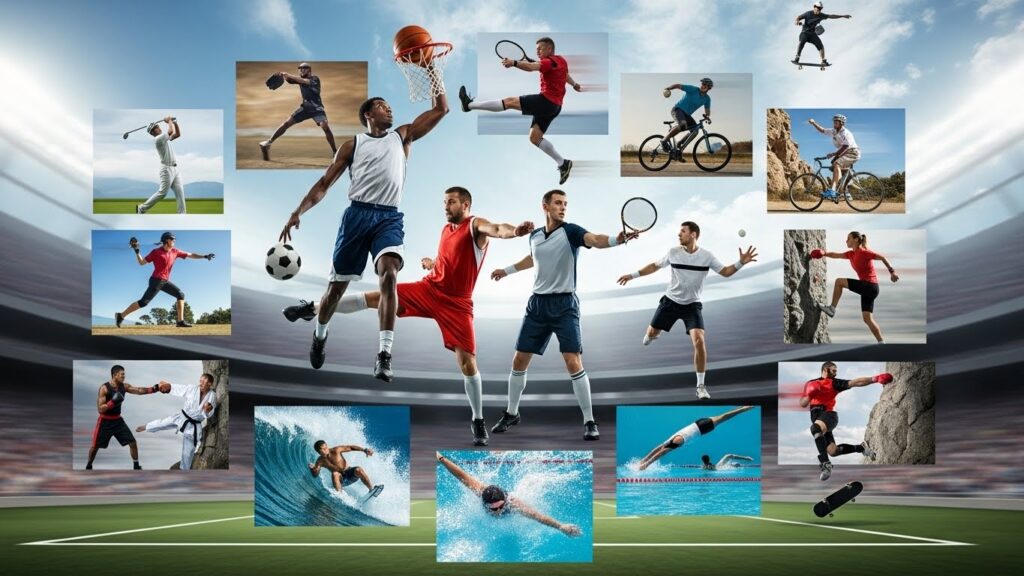
Sports are more than just games played on a field or a court; they represent a powerful mix of passion, determination, and resilience. They bring people together, transcend language barriers, and give individuals the opportunity to push their physical and mental boundaries. Whether it’s the fierce competition of professional leagues or the simple joy of playing with friends in a park, sports have a unique way of capturing the essence of human spirit.
In this blog post, we will explore the various dimensions of sports: from its role in physical and mental health to its cultural significance, and how it shapes lives on and off the field. By the end, you will understand why sports continue to hold such a powerful place in society and why they are far more than just a source of entertainment.
The Universal Language of Sports
One of the most remarkable aspects of sports is its universality. No matter where you are in the world, sports can bring people together in a way that few other things can. The excitement of a game is not confined by borders, languages, or cultures. Whether it’s soccer in Brazil, cricket in India, basketball in the United States, or rugby in New Zealand, sports form a common bond between people from different walks of life.
What makes this connection even more powerful is the way sports create a shared experience. Fans in a stadium, players on a field, or families watching together at home—they all feel the rush of adrenaline when their team scores a goal, wins a point, or achieves a significant victory. This collective experience helps build community and can even foster a sense of national pride. Whether you’re cheering for your local team or a national squad in the World Cup, the emotional investment in sports creates bonds that transcend the game itself.
The Health Benefits of Sports
Sports are not just about winning or losing; they have a profound impact on physical and mental health. Regular participation in sports contributes to overall well-being, helping individuals stay active, build strength, and maintain cardiovascular health. For children and young adults, engaging in sports can be crucial for healthy development, promoting teamwork, discipline, and time management.
For adults, maintaining an active lifestyle through sports helps combat the effects of a sedentary lifestyle, which has been linked to various health problems such as obesity, diabetes, and heart disease. The importance of staying active is underscored by the fact that many sports provide a fun way to get exercise, making it easier to stick to a routine.
Beyond the physical benefits, sports are a great way to improve mental health. Physical activity stimulates the release of endorphins, the body’s natural mood boosters. Engaging in sports can help reduce stress, anxiety, and depression while boosting self-confidence and emotional resilience. For many, sports offer an outlet for releasing pent-up emotions, providing a form of therapy that allows individuals to recharge mentally and emotionally.
The Spirit of Competition
One of the most defining features of sports is competition. At its core, competition drives athletes to push their limits, refine their skills, and strive for excellence. The spirit of competition fosters determination and perseverance, teaching individuals that success requires hard work, sacrifice, and dedication.
At the professional level, sports competitions are a spectacle that showcase the pinnacle of human performance. The intensity of the game, the skill of the athletes, and the anticipation of the crowd create an electric atmosphere that can make sporting events unforgettable. From the Olympics to local leagues, every competition offers a chance to witness something remarkable.
However, competition is not just about winning. It is also about learning how to cope with failure and defeat. In sports, victory is often fleeting, and losses are inevitable. Learning to handle these moments gracefully teaches important life lessons, such as resilience, humility, and the ability to bounce back from setbacks. This spirit of competition transcends the field, shaping individuals who are better prepared to face challenges in their personal and professional lives.
Sports as a Catalyst for Social Change
Sports have long been a platform for social change, highlighting issues of equality, justice, and human rights. Throughout history, athletes have used their platforms to raise awareness about important societal issues, challenge norms, and advocate for change.
One of the most iconic examples of sports as a force for social change is the civil rights movement in the United States, where athletes like Jackie Robinson, Muhammad Ali, and Tommie Smith used their influence to challenge racial discrimination and inequality. Robinson’s breaking of the color barrier in Major League Baseball and Smith’s raised fist at the 1968 Olympics are powerful symbols of the role that sports can play in social movements.
Even today, athletes continue to be at the forefront of social advocacy. From campaigns for gender equality in sports to the fight for racial justice, sports provide a platform for individuals to express their values and stand up for what they believe in. In this way, sports not only serve as entertainment but also as a reflection of the broader societal struggles and triumphs that shape our world.
The Role of Technology in Modern Sports
In recent years, technology has transformed the landscape of sports in numerous ways. From advancements in training equipment to the use of data analytics in performance optimization, technology is helping athletes push their boundaries and achieve greater heights. Wearable devices, such as fitness trackers and heart rate monitors, allow athletes to monitor their physical condition in real-time, helping them make more informed decisions about their training and recovery.
In addition to improving athlete performance, technology has also enhanced the viewing experience for fans. High-definition broadcasts, virtual reality (VR), and interactive apps have made it easier for fans to follow games, analyze statistics, and engage with their favorite teams and players in new and exciting ways.
Moreover, the integration of technology in sports has led to innovations in fairness and accuracy. The introduction of technologies like the Video Assistant Referee (VAR) in soccer and Hawk-Eye in tennis has helped ensure that critical decisions are made with greater precision. These tools reduce the likelihood of errors, making the games more just and transparent for both players and fans alike.
Sports and Mental Toughness
While physical skills are undeniably important in sports, mental toughness is often the difference between success and failure. The ability to stay focused, maintain composure under pressure, and push through moments of doubt is critical for athletes at every level.
Mental toughness is developed through experience, training, and overcoming challenges. The toughest competitors are those who can remain calm in high-stress situations, adapt to changing circumstances, and stay positive even when things aren’t going their way. Sports provide countless opportunities to develop this mindset, teaching athletes how to stay mentally strong in the face of adversity.
For many athletes, sports are more than just a physical test—they are a mental challenge that requires them to confront their fears, doubts, and limitations. The ability to persevere in the face of setbacks, injuries, or defeats is what separates champions from the rest. This mental strength not only benefits athletes in competition but also helps them navigate the challenges of everyday life, proving that sports are an essential training ground for mental resilience.
The Cultural Significance of Sports
In every society, sports play a pivotal role in shaping culture and identity. Whether through national pride, local rivalries, or the celebration of athletic achievement, sports are woven into the fabric of everyday life. In many cultures, sports are a reflection of societal values, beliefs, and traditions. They offer a platform for celebrating unity, diversity, and collective achievement.
Sports also provide a sense of identity for individuals and communities. For fans, being a supporter of a particular team or athlete can shape their sense of belonging and purpose. The shared experience of rooting for a team, celebrating victories, or mourning losses together creates a strong sense of community and solidarity.
Moreover, sports have the ability to transcend social divisions. They bring people from different walks of life together, creating opportunities for social integration and mutual respect. Whether it’s through international tournaments, local leagues, or friendly competitions, sports have a unique way of breaking down barriers and creating connections between people of all backgrounds.
Conclusion: The Enduring Power of Sports
Sports are a celebration of human potential. They bring people together, promote health and well-being, foster competition and resilience, and serve as a platform for social change. They are more than just games—they are a reflection of the human experience, capturing the highs and lows of life in every match played and every goal scored.
The beauty of sports lies not only in the triumphs but also in the struggles, the effort, and the passion that go into every performance. Whether on the field, the court, or in the stands, sports remind us of the power of perseverance, the importance of teamwork, and the ability to achieve greatness—both individually and collectively.