Introduction The Universal Language of Play
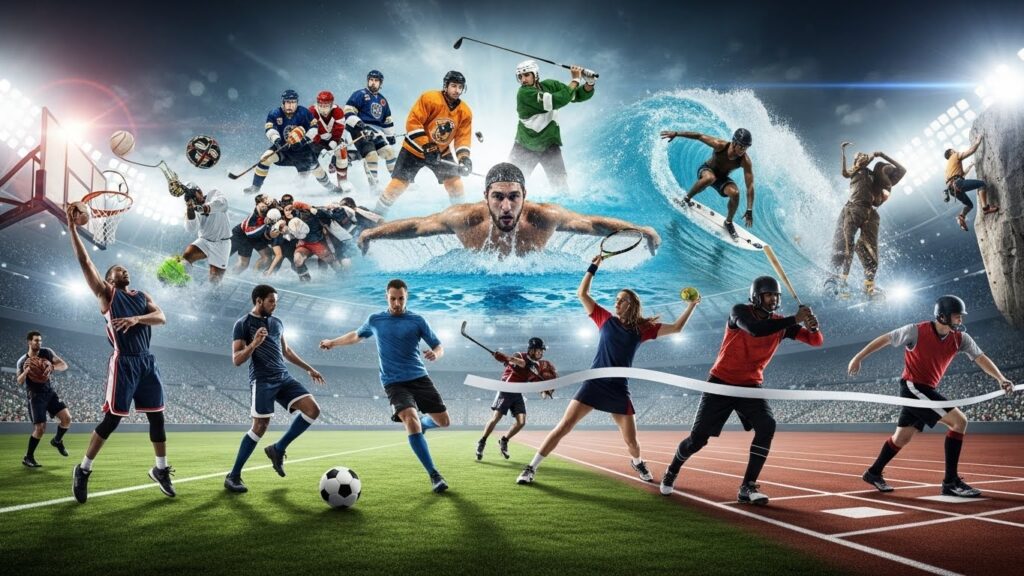
Sports are more than organized games played on fields courts or tracks. They are a universal language spoken across borders cultures and generations. From dusty village grounds to grand international stadiums sports bring people together in ways few other human activities can. They create moments of joy heartbreak pride and unity all within the simple framework of competition and rules. At their core sports reflect life itself teaching lessons about effort failure resilience teamwork and hope.
In every era sports have evolved alongside society. They have mirrored social change influenced politics shaped identities and inspired millions to push beyond perceived limits. Whether it is a child kicking a ball for the first time or an athlete standing on the podium after years of sacrifice sports represent dreams in motion. This blog explores the deeper meaning of sports their impact on individuals and societies and why they continue to hold such power in the modern world.
The Historical Roots of Sporting Competition
The origins of sports can be traced back to ancient civilizations where physical contests were closely tied to survival religion and community honor. Early forms of wrestling running and archery were not merely entertainment but essential skills for hunting and warfare. Over time these activities became structured competitions celebrated during festivals and rituals.
In ancient Greece the Olympic Games honored physical excellence and spiritual balance. Athletes trained for years to compete not for wealth but for honor and recognition. Similarly traditional sports in Asia Africa and the Americas developed unique identities reflecting local values and environments. These early traditions laid the foundation for modern sports proving that the desire to compete and excel is deeply rooted in human nature.
Sports as a Mirror of Society
Sports often reflect the social realities of the time in which they are played. Issues such as equality inclusion and national identity frequently play out on the sporting stage. When barriers are broken in sports they often signal broader social progress. The inclusion of women athletes increased representation of minorities and opportunities for differently abled players show how sports can challenge outdated norms.
At the same time sports can expose social tensions. Rivalries between teams may reflect historical conflicts or regional pride. Fan behavior economic inequality in sports and access to facilities also highlight wider societal challenges. Because sports are so visible they become a powerful platform for conversation change and awareness.
The Psychological Power of Sports
Participation in sports has a profound impact on mental and emotional well being. Physical activity releases stress improves mood and builds confidence. Beyond the physical benefits sports teach discipline focus and emotional control. Athletes learn how to handle pressure manage expectations and cope with both success and failure.
For many fans sports provide an emotional outlet. Supporting a team creates a sense of belonging and shared identity. Victories bring collective joy while defeats foster empathy and resilience. In this way sports act as a healthy emotional ecosystem allowing people to connect with their feelings in a structured and socially accepted manner.
Building Character Through Competition
One of the most valuable aspects of sports is character development. From a young age players learn the importance of fair play respect for opponents and adherence to rules. Winning is celebrated but the manner in which one competes often matters more. True sportsmanship is shown in how athletes respond to adversity mistakes and defeat.
Team sports in particular emphasize cooperation and trust. Players must rely on one another communicate effectively and sacrifice personal glory for collective success. These lessons extend far beyond the playing field shaping better students professionals and community members. Sports teach that individual talent shines brightest when combined with teamwork and humility.
The Role of Coaching and Mentorship
Behind every successful athlete is guidance mentorship and belief. Coaches play a critical role in shaping not only athletic performance but also personal values. A good coach understands that each athlete is different requiring unique motivation and support. They balance discipline with encouragement pushing players to reach their potential without losing their love for the game.
Mentorship in sports often creates lifelong bonds. Many athletes credit their coaches with teaching lessons that influenced their entire lives. Through sports mentorship individuals learn leadership responsibility and the importance of giving back to the next generation.
Sports and National Identity
International sporting events have a unique ability to unite entire nations. When athletes represent their country they carry the hopes and pride of millions. Victories become shared national achievements while participation alone can inspire unity and confidence.
Sports also offer smaller nations a platform to be seen and respected on the global stage. A single outstanding performance can change how a country is perceived and how its citizens view themselves. In this sense sports become a form of peaceful diplomacy connecting nations through mutual respect and competition.
The Business and Economics of Sports
Modern sports have grown into a global industry influencing economies and creating countless opportunities. Professional leagues generate employment from athletes and coaches to media professionals and event organizers. Infrastructure development tourism and merchandise all contribute to economic growth.
However commercialization also brings challenges. Balancing profit with integrity fairness and athlete welfare is an ongoing concern. While financial investment has improved training facilities and global reach it has also raised questions about accessibility and the true spirit of competition. The future of sports depends on maintaining this delicate balance.
Technology and the Evolution of Performance
Advancements in technology have transformed how sports are played trained and experienced. Data analysis performance tracking and advanced equipment have helped athletes reach new levels of excellence. Injury prevention and recovery methods have improved careers and extended playing years.
For fans technology has enhanced engagement through improved broadcasting analysis and interactive experiences. While innovation continues to shape sports it also raises debates about fairness and tradition. The challenge lies in embracing progress without losing the human element that makes sports so compelling.
Grassroots Sports and Community Impact
While professional sports capture headlines grassroots sports form the foundation of athletic culture. Local clubs school teams and community leagues provide accessible opportunities for participation and growth. These environments nurture talent encourage healthy lifestyles and strengthen social bonds.
Community sports programs are especially important for youth development. They offer safe spaces teach life skills and promote inclusivity. Investing in grassroots sports ensures that the benefits of physical activity and competition reach all segments of society not just elite athletes.
The Future of Sports in a Changing World
As the world continues to change sports must adapt to new realities. Issues such as sustainability mental health and inclusivity are becoming central to sporting conversations. Athletes are increasingly viewed as whole individuals rather than just performers leading to more emphasis on well being and long term development.
The future of sports also depends on inspiring the next generation. Maintaining authenticity passion and accessibility will ensure that sports remain relevant and meaningful. No matter how technology or society evolves the fundamental joy of play and competition will endure.
Conclusion Why Sports Will Always Matter
Sports hold a unique place in human culture because they touch every aspect of life. They entertain educate challenge and unite. Through sports we learn about ourselves and others discovering strength in struggle and beauty in effort. They remind us that success is earned through dedication and that failure is a step toward growth.
Beyond trophies records and titles sports leave lasting impressions on hearts and minds. They create stories passed down through generations moments that define communities and lessons that shape character. Long after the final whistle blows the spirit of sports continues to inspire proving that their true value lies not in winning alone but in the journey shared along the way.