Introduction
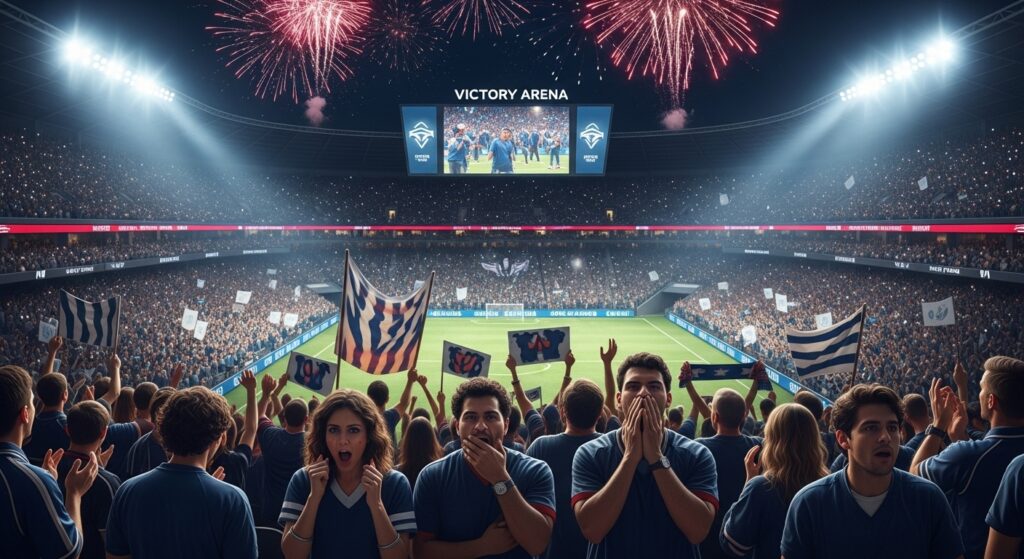
Sports are more than games. They are a universal language that transcends borders, cultures, and generations. From the earliest days of human civilization to the modern digital era, sports have united people in ways few other things can. Whether it’s the roar of a packed stadium, the determination of an athlete training in silence, or the shared emotion of a community watching their heroes compete, sports embody the very essence of human passion and perseverance.
In this comprehensive exploration, we will dive deep into what makes sports such an integral part of our lives. We will look at their history, their cultural and psychological impact, the evolution of modern athletics, the role of technology, and why sports continue to inspire humanity to reach greater heights.
The Ancient Roots of Sports
The origins of sports date back thousands of years. Ancient civilizations viewed athletic competition as a form of honor, entertainment, and even religious devotion. In Greece, the Olympic Games were first held in 776 BC and were dedicated to Zeus, the king of the gods. These games featured events like running, wrestling, and chariot racing, showcasing the physical prowess of the athletes.
In ancient China, sports like archery and martial arts were deeply embedded in the culture, serving as both military training and a test of discipline. In the Americas, civilizations like the Mayans played the Mesoamerican ball game, which held ceremonial significance and often symbolized the struggle between life and death.
Even in prehistoric societies, evidence suggests that running, hunting, and throwing activities were forms of competition that helped strengthen survival skills. Thus, from the very beginning, sports have been tied to human evolution and identity.
The Rise of Modern Sports
The modern concept of organized sports began to emerge during the 19th century. The Industrial Revolution created urban societies where people sought new forms of recreation and community engagement. Sports like football, cricket, rugby, and baseball began to formalize with written rules, scheduled competitions, and organized leagues.
In England, schools and universities became the breeding ground for modern sports culture. Soccer and rugby, both derived from traditional ball games, spread rapidly across the British Empire, eventually becoming global phenomena. Meanwhile, in the United States, baseball and later basketball captured the national imagination, reflecting the country’s spirit of competition and teamwork.
By the 20th century, sports had become a worldwide movement. The revival of the Olympic Games in 1896 marked the beginning of international sports as a celebration of global unity and athletic excellence. As transportation and communication improved, nations began competing against each other, creating rivalries and friendships that extended far beyond the playing fields.
Sports as a Reflection of Society
Sports have always mirrored the values, challenges, and transformations of society. In many ways, they act as a lens through which we can understand the evolution of culture and identity.
In the early 20th century, sports were often symbols of national pride. The success of a nation’s athletes reflected its strength and unity. During political tensions, sporting events served as platforms for diplomacy and soft power. The 1936 Berlin Olympics, for example, became a stage for ideological confrontation, while the 1995 Rugby World Cup in South Africa symbolized reconciliation after years of apartheid.
Sports have also been instrumental in breaking barriers. Jackie Robinson’s entry into Major League Baseball in 1947 was not just a milestone in sports—it was a historic step in the civil rights movement. Similarly, female athletes like Billie Jean King and Serena Williams redefined gender equality in sports and inspired countless women to pursue their dreams.
Today, sports continue to serve as a platform for social change, advocacy, and representation. Athletes are not just competitors; they are role models and voices of influence.
The Global Passion for Sports
Every corner of the world has its own sporting heartbeat. In South America, football is a religion, with Brazil and Argentina treating the game as part of their cultural identity. In Europe, the UEFA Champions League unites millions of fans who follow their clubs with unmatched loyalty. In Asia, cricket commands enormous audiences, particularly in India, Pakistan, and Bangladesh, where it is both a sport and a source of national pride.
In North America, sports like basketball, baseball, and American football dominate, each with its unique culture and fan traditions. Africa, too, has become a hub for athletic excellence, producing world-class runners, footballers, and boxers who have made their mark globally.
What makes sports so universal is their ability to connect people across languages, backgrounds, and beliefs. A goal, a basket, or a finish line victory communicates the same emotion to every fan: joy, pride, and belonging.
The Psychology of Sports
The beauty of sports lies not only in physical performance but also in mental strength. Athletes are often praised for their endurance and skill, but their psychological resilience is what separates the great from the good.
Sports psychology has become a crucial aspect of modern training. Athletes must learn to manage pressure, overcome fear, and maintain focus under the most intense circumstances. The mental aspect of sports can determine the outcome of an entire season or championship.
For fans, too, sports offer emotional connection. Supporting a team provides a sense of identity and community. Victories lift spirits, while defeats teach resilience. The shared emotional journey creates bonds that transcend generations. Families, friends, and even strangers find unity in cheering for the same team.
The Role of Technology in Modern Sports
The evolution of technology has completely transformed how sports are played, watched, and analyzed. High-speed cameras, data analytics, performance sensors, and virtual simulations have made sports more precise and competitive than ever.
In training, athletes use wearable devices to monitor heart rate, muscle activity, and recovery times. Coaches rely on analytics to design strategies, study opponents, and improve performance efficiency. Instant replay systems and video assistant referees have made officiating fairer, reducing human error in crucial moments.
For fans, technology has brought sports closer than ever. Live broadcasts, social media, and virtual reality experiences allow global audiences to engage with games in real time. Esports and virtual competitions have even blurred the line between digital entertainment and athletic competition.
Technology has also made sports safer. Advances in equipment design, from helmets to footwear, have reduced the risk of injury and prolonged athletic careers. The future of sports will likely see even greater integration of artificial intelligence, robotics, and biomechanics to push human performance beyond current limits.
The Economics of Sports
Modern sports are not just entertainment—they are a massive global industry. From broadcasting rights and sponsorships to merchandise and ticket sales, the sports economy generates billions of dollars each year. Major events like the Olympics, FIFA World Cup, and Super Bowl attract worldwide attention and investment.
Athletes have become brands in their own right. Endorsement deals, social media influence, and personal ventures have turned many into global icons. This economic power also fuels grassroots development, creating opportunities for young athletes to pursue professional careers.
However, the commercialization of sports has also raised ethical questions. Issues such as financial inequality between clubs, corruption in sports organizations, and the prioritization of profits over players’ welfare continue to challenge the integrity of competition. Balancing business interests with the spirit of fair play remains one of the great modern dilemmas of sports.
Sports and Health: Building Better Lives
At its core, sports are about more than competition—they are about health, wellness, and community. Regular participation in sports promotes physical fitness, mental well-being, and social interaction. It instills discipline, teamwork, and perseverance, traits that extend far beyond the playing field.
For children, sports are an essential part of development. They teach cooperation, leadership, and confidence while encouraging active lifestyles in an increasingly sedentary world. For adults, sports offer a way to relieve stress, stay fit, and connect with others.
At the professional level, sports medicine has evolved to ensure athletes maintain peak condition. Nutrition, physiotherapy, and mental health support have become essential components of athletic success. As awareness of health and wellness grows, sports continue to play a vital role in promoting holistic living.
The Spirit of Competition
The essence of sports lies in competition. It is the desire to test limits, to measure one’s strength and skill against others, and to strive for excellence. But true competition also includes respect—for opponents, for the game, and for oneself.
Throughout history, some of the greatest sporting moments have come not from victory alone, but from displays of sportsmanship. When athletes help fallen competitors across finish lines or acknowledge each other’s achievements, they remind the world that the real victory lies in humanity.
Competition drives innovation and progress. It inspires people to work harder, dream bigger, and never settle for mediocrity. In sports, as in life, competition is not just about winning—it’s about becoming better.
Sports as a Global Unifier
Few things in the world can unite people as powerfully as sports. When a nation competes on the world stage, it brings citizens together in shared pride and emotion. The World Cup, the Olympics, and continental championships foster connections that go beyond politics or language.
Moments like Jesse Owens’ triumph in 1936, Nelson Mandela’s presence at the 1995 Rugby World Cup, or Japan’s sportsmanship at the 2018 World Cup remind us that sports can heal divisions and promote peace. They showcase the best of humanity—discipline, courage, respect, and unity.
Sports diplomacy continues to shape international relations. Friendly matches, exchange programs, and global tournaments open doors for collaboration and mutual understanding. In an often divided world, sports remain a powerful bridge.
The Future of Sports
The future of sports is being shaped by innovation, inclusivity, and sustainability. With the rise of esports, mixed-gender competitions, and virtual reality, the definition of “sport” itself is expanding.
Sustainability has become a priority, with organizations investing in eco-friendly stadiums, renewable energy, and responsible event management. The focus on mental health and athlete welfare has also redefined success, emphasizing balance and longevity over burnout.
Women’s sports are gaining unprecedented recognition, bringing equality to the forefront of global athletics. The inclusion of new disciplines in events like the Olympics reflects the dynamic evolution of sports culture.
In the coming decades, we can expect even deeper integration of science, technology, and creativity in sports. From AI-driven training to holographic broadcasts, the future promises a blend of tradition and innovation that keeps the spirit of competition alive for generations to come.
Conclusion
Sports are not just about games or scores—they are a celebration of human potential. They teach us discipline, unity, and perseverance. They show us that greatness is not limited by background, culture, or circumstance.
From the ancient arenas of Greece to the high-tech stadiums of today, sports have always been a reflection of who we are and what we aspire to be. They remind us that even in a world of differences, the pursuit of excellence and the joy of competition can unite us all.
Every cheer, every victory, and every moment of struggle on the field reflects the universal story of humanity—the desire to overcome, to connect, and to achieve greatness. That is the timeless power of sports: an ever-evolving, ever-inspiring force that brings the world together in motion, emotion, and spirit.