
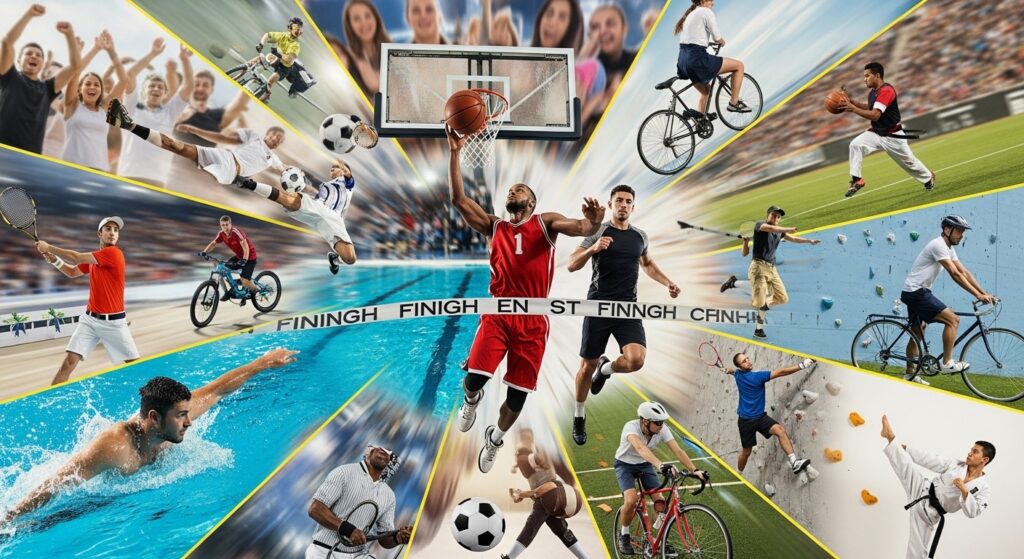
Sports are often perceived as a form of entertainment, a way to pass the time or show off athletic prowess. But if we look deeper, sports are much more than just games or competitions. They are an integral part of our social fabric, impacting individuals, communities, and cultures in profound ways. The influence of sports goes far beyond the field or the court; it plays a key role in shaping character, building relationships, and even driving societal change. In this blog post, we will explore the multifaceted impact of sports and how they help shape the world we live in.
Physical Health and Wellness
The first and most obvious benefit of engaging in sports is the improvement in physical health. Regular participation in sports enhances cardiovascular fitness, increases muscle strength, and boosts endurance. Whether it’s running, swimming, playing basketball, or cycling, the active movements required by these sports have long-lasting benefits on the body.
In addition to building physical strength, sports also help in the prevention of various health conditions, such as obesity, diabetes, and hypertension. By keeping the body engaged and active, sports promote a healthy lifestyle, reducing the risk of chronic diseases and fostering long-term health benefits.
Beyond the physical benefits, sports play a crucial role in mental wellness. Physical activity has been scientifically proven to release endorphins—natural chemicals in the brain that improve mood and reduce stress. Regular participation in sports can provide relief from anxiety and depression, offering a natural and enjoyable way to manage mental health.
Discipline, Focus, and Resilience
Sports provide an environment where discipline is paramount. To be successful in any sport, athletes must train regularly, follow routines, and make sacrifices. This level of dedication requires immense self-discipline, and it translates into many areas of life. The mental toughness built through sports—whether it’s pushing through the last lap of a race or remaining calm in a high-pressure game situation—helps athletes develop resilience in the face of adversity.
Moreover, the structure and focus required in sports help individuals set goals and work towards them with determination. Whether the goal is to win a game, break a record, or simply improve personal performance, sports teach the importance of setting clear objectives and working tirelessly to achieve them.
Failure is also an inevitable part of sports. But rather than being a setback, failure in sports teaches resilience—the ability to get back up, learn from mistakes, and continue pushing forward. This mindset is invaluable, both on and off the playing field, and helps athletes navigate the challenges they face in life.
The Power of Teamwork and Collaboration
One of the most significant lessons sports teach is the value of teamwork. While individual sports require self-reliance, team sports foster collaboration, communication, and mutual respect. In a team environment, success is not about individual glory but about working together towards a common goal. Team members must rely on each other’s strengths, support one another, and share in the responsibility of achieving victory or dealing with defeat.
In sports like soccer, basketball, and volleyball, athletes must communicate constantly with their teammates to make split-second decisions, coordinate strategies, and adjust tactics. The ability to collaborate with others, trust in their abilities, and contribute to the success of the group is a skill that extends far beyond the sport itself. These qualities are highly valued in the workplace and in personal relationships, making sports a great teacher of life skills.
A Sense of Belonging and Community
Sports have the power to bring people together. Whether it’s a small local game or a global event like the World Cup or the Olympics, sports create communities of shared interests and passions. Spectators and participants alike feel a strong sense of belonging when they unite in support of a team, athlete, or cause.
At a local level, sports create bonds between people who might otherwise have never crossed paths. Youth sports leagues, for example, foster friendships and community ties, teaching young players the value of collaboration, fair play, and perseverance. These experiences also help develop a sense of pride and identity within communities, as sports become an important part of the local culture.
Moreover, sports have the unique ability to transcend language, culture, and even political differences. International competitions allow people from all corners of the world to come together in the spirit of fair play and mutual respect. They remind us that, despite our differences, we all share a common love for the game and the pursuit of excellence.
Sports as a Platform for Change
Throughout history, sports have been a powerful tool for social change. Athletes have used their platforms to advocate for civil rights, gender equality, and environmental sustainability. From Muhammad Ali’s stand against the Vietnam War to Billie Jean King’s fight for gender equality in tennis, sports figures have often been at the forefront of societal movements.
In recent years, athletes have increasingly used their fame to speak out on social issues, such as racial justice, climate change, and mental health awareness. The ability to inspire millions of people around the world and draw attention to important causes gives sports a unique role in shaping public discourse and promoting change.
Sports also serve as a means of bringing attention to underrepresented communities. From Paralympic athletes pushing boundaries of physical capability to female athletes challenging gender norms, sports provide a platform for individuals to showcase their talent and change the way society perceives them.
Conclusion: The Timeless Impact of Sports
Sports are more than just a way to pass the time or achieve physical excellence; they are an essential part of human development and social cohesion. From teaching discipline and resilience to fostering teamwork and building communities, sports shape individuals in ways that go far beyond the field of play.
Whether you are a professional athlete or someone who enjoys playing sports in your free time, the benefits of engaging in sports are undeniable. The power of sports lies not only in the thrill of competition but in their ability to bring people together, build character, and inspire change. So, the next time you lace up your shoes or cheer for your favorite team, remember that sports are far more than just games—they are an essential part of what makes us human.