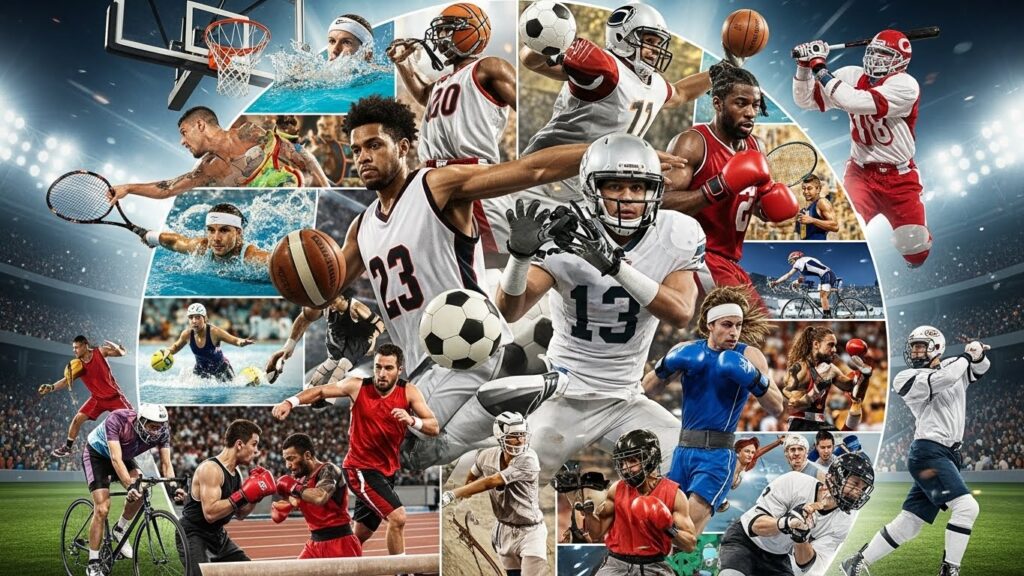
Sports are much more than just a source of entertainment. They are a reflection of human culture, a measure of discipline, and a mirror of society itself. From the roar of the crowd in a packed stadium to the quiet determination of an athlete in early morning training, sports touch countless lives in profound ways. Whether you are an active participant or a passionate spectator, sports have a unique power to inspire, unite, and transform.
The Universal Language of Sports
One of the most remarkable things about sports is their ability to transcend language, culture, and borders. A soccer match in Brazil, a cricket game in India, or a basketball tournament in the United States can ignite emotions and bring people together regardless of where they come from. Sports communicate emotions in a way words often cannot. The joy of victory, the agony of defeat, and the tension of close competition are feelings shared universally, connecting people across the globe.
Sports often serve as a bridge between cultures. International events like the Olympics or the World Cup create a platform where athletes from different countries showcase not only their skills but also their national pride. Through sports, people gain a deeper understanding of diversity, learning to respect and appreciate differences while celebrating common human aspirations.
The Physical Benefits of Sports
The most obvious impact of sports is on physical health. Regular participation in sports improves cardiovascular health, strengthens muscles and bones, enhances flexibility, and boosts overall fitness. Activities like running, swimming, and cycling help in maintaining a healthy weight, while team sports like soccer and basketball enhance coordination and agility.
Beyond physical fitness, sports play a crucial role in promoting long-term health. Athletes who engage in consistent training often develop stronger immune systems and are less prone to chronic illnesses such as diabetes and hypertension. Even moderate participation in sports can encourage healthier lifestyle choices, such as better nutrition and regular sleep patterns.
Sports and Mental Resilience
While the physical benefits are evident, the mental advantages of sports are equally significant. Engaging in sports teaches discipline, perseverance, and time management. Athletes learn to set goals, work hard to achieve them, and handle setbacks constructively. These qualities are invaluable not only on the field but also in everyday life.
Sports also act as a natural stress reliever. Physical activity releases endorphins, chemicals in the brain that promote happiness and reduce anxiety. Competitive sports further develop mental toughness, helping individuals stay focused under pressure. Athletes often face situations that require quick thinking, strategic planning, and emotional control—skills that are transferable to academic, professional, and personal challenges.
Team Sports: Lessons in Cooperation and Leadership
Team sports like soccer, basketball, and volleyball offer more than just physical exercise; they are a microcosm of society. Participating in team sports teaches players the importance of cooperation, communication, and leadership. Success in a team environment requires individuals to balance personal ambitions with the collective goal, fostering empathy and a sense of responsibility.
Leadership in sports is not always about being the captain; it can emerge in small, quiet ways, such as motivating teammates, providing constructive feedback, or leading by example during challenging moments. These experiences prepare individuals for leadership roles outside of sports, equipping them with skills that are highly valued in professional and social contexts.
Individual Sports: Mastery and Self-Discipline
While team sports emphasize collaboration, individual sports like tennis, swimming, and martial arts focus on personal mastery and self-discipline. In these disciplines, athletes are responsible for their own performance, learning to analyze their strengths and weaknesses critically.
Individual sports cultivate self-motivation and resilience. Athletes must rely on their own determination to overcome obstacles, improve techniques, and achieve personal goals. This journey of self-improvement often instills a lifelong sense of confidence and independence that extends well beyond the sporting arena.
Sports as a Social Connector
Sports have a unique ability to unite communities and create social bonds. Local clubs, school teams, and neighborhood leagues provide spaces where individuals can connect, share experiences, and build lasting friendships. Attending live sports events or cheering for a favorite team fosters a sense of belonging and shared identity, strengthening social cohesion.
In many regions, sports also play a role in promoting inclusivity and equality. Programs designed to engage underprivileged or marginalized groups provide opportunities for personal development and social mobility. By offering structured activities and mentorship, sports can empower individuals to overcome barriers and achieve their potential.
The Economic Impact of Sports
Sports contribute significantly to the global economy, creating employment opportunities and generating revenue in multiple sectors. Professional leagues, sports merchandising, event management, broadcasting, and tourism all rely heavily on the popularity of sports. Major sporting events often lead to infrastructure development, from stadiums to transportation systems, benefiting local communities.
Athletes themselves become role models and influencers, attracting sponsorship deals and endorsements that further boost the economic impact of sports. The business of sports is vast, intertwining entertainment, media, and commerce in ways that reach far beyond the playing field.
Sports and Cultural Identity
Sports often serve as a symbol of cultural pride and national identity. For many countries, achievements in international competitions are sources of collective joy and pride. Legendary athletes become icons, inspiring generations and shaping cultural narratives.
Beyond national identity, sports also reflect societal values. Disciplines that emphasize teamwork, fair play, and perseverance mirror ideals that communities cherish. Sporting traditions, rituals, and ceremonies often carry historical significance, connecting modern athletes and fans to their cultural heritage.
Challenges in Sports
While the benefits of sports are undeniable, challenges remain. Issues such as doping, corruption, and commercialization can undermine the integrity of competitions. Excessive pressure on young athletes, injuries, and the imbalance between physical and mental health are also concerns that require attention.
Moreover, access to sports is not equal across all regions and demographics. Economic disparities, gender inequality, and lack of facilities prevent many from participating fully. Addressing these challenges requires coordinated efforts from governments, organizations, and communities to ensure that sports remain inclusive and ethical.
The Future of Sports
The future of sports is dynamic and promising. Advances in technology are transforming training methods, performance analysis, and fan engagement. Virtual reality, artificial intelligence, and wearable devices are creating new ways to enhance athletic performance and provide immersive experiences for audiences.
At the same time, the growing focus on mental health, inclusivity, and sustainability is reshaping how sports are practiced and perceived. Sports organizations are increasingly emphasizing holistic well-being, equitable access, and environmental responsibility, ensuring that the positive impact of sports extends beyond immediate entertainment.
Conclusion: More Than a Game
Sports are far more than games played on fields, courts, or tracks. They are powerful vehicles for personal growth, social cohesion, cultural expression, and economic development. By encouraging physical fitness, mental resilience, teamwork, and leadership, sports shape individuals into well-rounded human beings.
In a world often divided by differences, sports offer a universal language that unites people, fosters mutual respect, and inspires excellence. Whether you participate actively, support a favorite team, or simply admire the spirit of competition, sports have a profound ability to influence lives and society in ways that extend far beyond the scoreboard.
Embracing sports in all its forms is not just about celebrating victory or enduring defeat; it is about cherishing the journey, learning from challenges, and recognizing the immense potential of human spirit and cooperation.