
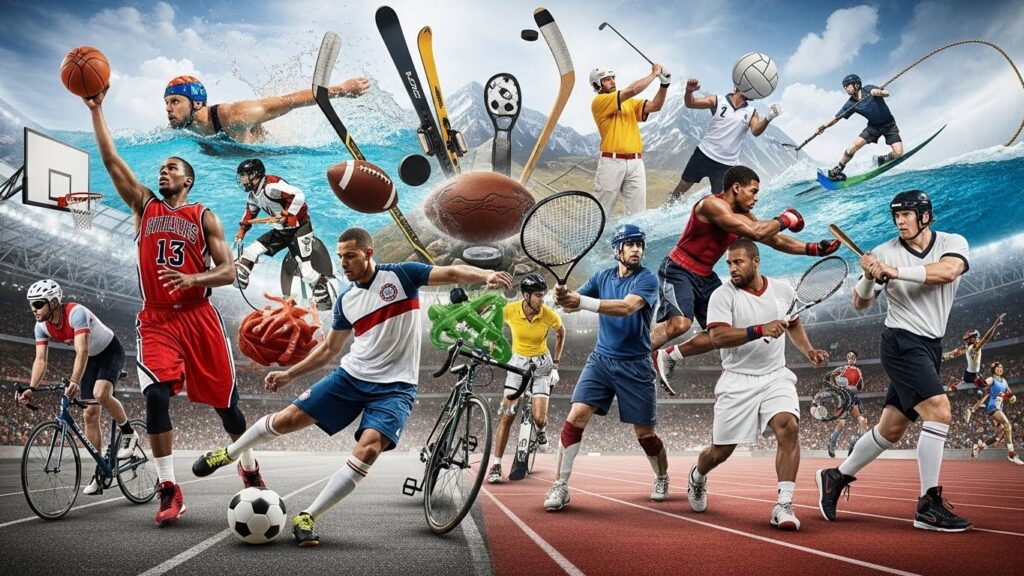
Introduction: The Enduring Power of Sports
Sports have always been a vital part of human life, reflecting our desire for competition, excellence, and connection. From ancient athletic contests to modern international tournaments, sports have inspired societies, fostered community spirit, and shaped culture. They entertain millions, promote physical and mental well-being, and teach essential life skills. In this blog, we will explore the evolution of sports, the benefits they provide, their impact on society, and why they continue to hold a central place in human experience.
The Origins of Sports: From Ancient Rituals to Organized Play
The history of sports dates back thousands of years, with evidence of athletic contests in ancient civilizations. In Greece, the Olympic Games celebrated physical prowess, discipline, and honor, emphasizing both competition and camaraderie. Ancient Egyptians, Chinese, and Mesoamerican societies also held sporting events, often tied to religious or ceremonial practices. These early contests were more than entertainment; they were integral to culture, social cohesion, and the development of human skill and strategy.
Evolution into Modern Sports
As civilizations progressed, sports became more structured and codified. Modern football, basketball, tennis, cricket, and athletics developed formal rules, organized leagues, and international competitions. The Industrial Revolution played a key role, providing leisure time, public venues, and opportunities for spectatorship. Sports journalism and broadcasting further expanded public engagement, turning athletic contests into shared cultural experiences. Today, sports combine tradition, performance, and entertainment, captivating audiences around the world.
Physical Benefits of Sports
One of the most apparent advantages of participating in sports is improved physical health. Engaging in athletic activities strengthens muscles, improves cardiovascular health, enhances flexibility, and maintains overall fitness. Regular participation promotes long-term well-being, reduces the risk of chronic diseases, and supports an active lifestyle. Organized sports, community leagues, and school programs provide structured environments that encourage people of all ages to stay healthy while enjoying the thrill of competition.
Mental and Emotional Benefits
Sports offer more than physical fitness; they also promote mental health and emotional resilience. Participation reduces stress, anxiety, and depression by releasing endorphins and encouraging focus. Strategic thinking, problem-solving, and decision-making are inherent in many sports, stimulating cognitive abilities. Team sports, in particular, teach communication, collaboration, leadership, and emotional intelligence, helping participants build confidence and develop life skills that extend beyond the field.
The Social Impact of Sports
Sports have the unique ability to unite people, transcending cultural, linguistic, and geographic boundaries. Fans gather in stadiums, local parks, and homes to share experiences, celebrate victories, and mourn defeats. International tournaments like the Olympics and the World Cup create a sense of global community, fostering mutual respect and understanding. Local sports programs strengthen neighborhoods, build friendships, and promote inclusivity. The social influence of sports goes beyond entertainment, creating connections that endure across generations.
Iconic Athletes and Their Influence
Athletes are often more than competitors; they are symbols of perseverance, dedication, and inspiration. Legends like Muhammad Ali, Serena Williams, Lionel Messi, and Michael Jordan have left indelible marks not only through their achievements but also through their influence on society. Athletes often advocate for social change, education, and equality, demonstrating the transformative power of sports. Their journeys motivate millions to pursue excellence, overcome obstacles, and embrace discipline in their own lives.
Competition: The Thrill of Sports
At the heart of sports lies competition—the drive to test skill, endurance, and strategy against others. Competition fuels innovation, encourages improvement, and creates memorable moments that captivate audiences. Whether it is a last-minute goal in football, a record-breaking sprint, or a high-pressure penalty kick, the intensity of competition engages both players and spectators. Learning to navigate victory and defeat gracefully teaches resilience, patience, and respect, which are essential life skills.
Youth Sports: Building the Next Generation
Youth sports programs play a critical role in shaping character, skills, and values. Participation in school teams, community leagues, and recreational activities fosters discipline, teamwork, leadership, and time management. Young athletes learn goal-setting, perseverance, and problem-solving, preparing them for challenges both on and off the field. Youth sports also provide a sense of belonging, mentorship, and structured activity, contributing to physical health, social development, and emotional growth.
Women in Sports: Breaking Barriers
The rise of women in sports has transformed the landscape and challenged traditional norms. Female athletes have broken records, won championships, and inspired generations of girls to pursue their passions. Competitions such as the Women’s World Cup and professional leagues provide visibility and recognition, while also promoting gender equality. Women in sports exemplify strength, resilience, and determination, encouraging inclusivity and demonstrating that athletic excellence knows no gender boundaries.
Technology and Innovation in Sports
Modern sports are heavily influenced by technology, which enhances performance, fairness, and fan engagement. Advanced training techniques, analytics, wearable devices, and video replay systems allow athletes to optimize performance and prevent injuries. Broadcasting innovations, virtual reality experiences, and interactive apps have transformed how fans engage with sports. Technology also promotes inclusivity, enabling adaptive sports for athletes with disabilities and creating opportunities for everyone to participate in the benefits of athletics.
The Economic Significance of Sports
Sports are not only culturally influential but also economically impactful. Professional leagues, tournaments, and events generate revenue through ticket sales, merchandise, broadcasting rights, and sponsorships. Sporting events stimulate local economies, drive tourism, and create employment opportunities. The industry supports ancillary sectors such as apparel, fitness, media, and hospitality, highlighting the multifaceted economic contributions of sports to societies worldwide.
Sports as a Catalyst for Social Change
Sports have a long history of promoting social change and advocating for important causes. Athletes and organizations use their platforms to address inequality, promote education, and raise awareness about global issues. Community sports programs provide opportunities for underprivileged groups, fostering inclusivity and empowerment. By combining visibility, inspiration, and action, sports become a powerful tool for positive social transformation.
The Future of Sports
The future of sports is defined by innovation, global connectivity, and expanding inclusivity. Esports, virtual competitions, and interactive experiences are redefining traditional concepts of athleticism. Sustainable practices and inclusive programs are shaping how sports are organized and experienced. Despite technological advancements and evolving formats, the core values of sports—discipline, teamwork, resilience, and community—remain central, ensuring their continued relevance and impact.
Conclusion: The Timeless Legacy of Sports
Sports are far more than games—they are a reflection of human ambition, creativity, and collaboration. They promote physical health, nurture character, foster social connection, and inspire millions worldwide. From local playgrounds to international arenas, sports embody the spirit of competition, the joy of achievement, and the power of unity. Their influence extends beyond entertainment, shaping culture, empowering individuals, and transforming communities.
In every match played, every goal scored, and every record broken, sports continue to impact lives profoundly. They teach us about perseverance, integrity, and teamwork, while celebrating human potential. Sports are a timeless testament to the power of play, the thrill of competition, and the enduring human desire to connect, excel, and inspire.