
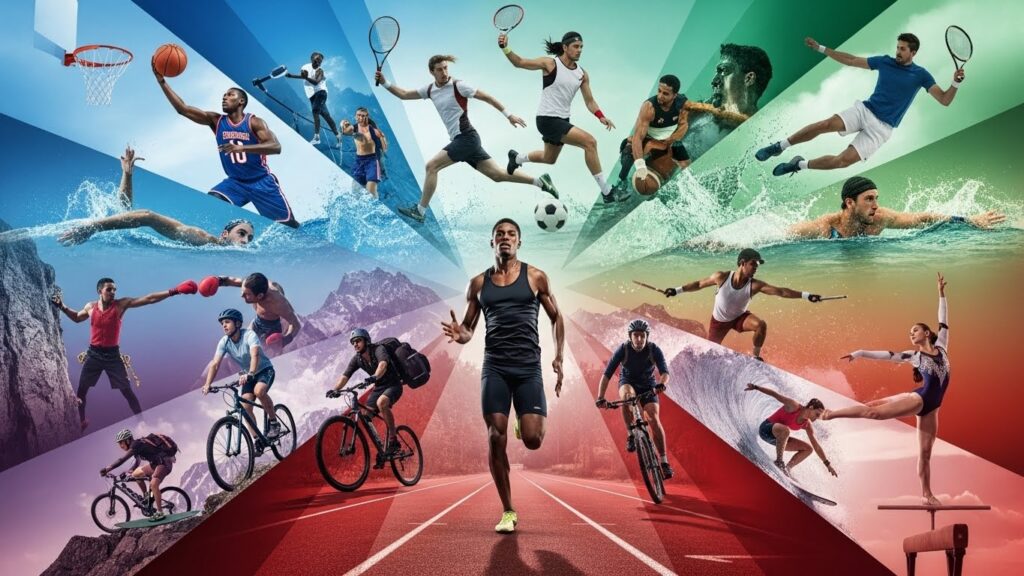
Sports are far more than just games played on fields, courts, or tracks. They are a reflection of society, a crucible of character, and a stage where the limits of human endurance, skill, and spirit are tested. From grassroots participation to professional arenas, sports influence culture, inspire individuals, and create a sense of unity that transcends borders. In this post, we will explore the multifaceted role of sports in our lives, highlighting their physical, mental, and social impacts.
The Physical Benefits of Sports
At its most basic level, sports offer a powerful avenue for physical health. Regular participation in sports improves cardiovascular health, builds muscle strength, enhances flexibility, and promotes weight management. Activities such as running, swimming, and cycling help maintain endurance, while team sports like basketball, soccer, and volleyball combine cardiovascular exercise with agility and coordination. Beyond these physiological advantages, sports encourage healthy habits that extend beyond the playing field. Athletes often adopt balanced diets, proper sleep schedules, and disciplined routines that improve overall quality of life. Children who engage in sports from an early age tend to develop better motor skills, stronger bones, and improved immune function.
Mental Resilience and Sports
While the physical benefits of sports are well-known, their impact on mental health is equally profound. Sports teach resilience, focus, and discipline. Athletes learn to cope with setbacks, whether it is a lost match, a missed goal, or an injury. These experiences cultivate perseverance, a skill that translates into everyday life challenges. Participating in sports has also been linked to reduced stress and anxiety levels. The release of endorphins during physical activity creates a natural mood booster, helping individuals manage mental strain effectively. Furthermore, sports foster problem-solving skills. Quick decision-making during games, strategic planning, and adapting to dynamic situations sharpen cognitive functions and enhance mental agility.
Building Character Through Competition
Competition is an integral part of sports, and it plays a vital role in shaping character. Engaging in fair competition teaches athletes about integrity, respect, and humility. Winning gracefully and accepting defeat with dignity are lessons that extend far beyond sports. Team sports, in particular, emphasize the importance of collaboration, communication, and trust. Working with teammates toward a common goal nurtures empathy and leadership skills. Individual sports, on the other hand, promote self-reliance, personal accountability, and the ability to self-motivate. Both team and individual sports contribute to a well-rounded character by reinforcing values that are crucial in personal and professional life.
Sports as a Cultural Phenomenon
Sports are deeply embedded in culture and society, serving as a unifying force across diverse communities. Major sporting events like the Olympics or World Cup transcend national boundaries and foster a sense of global camaraderie. These events celebrate not only athletic talent but also cultural exchange, as athletes from different countries share traditions, stories, and experiences. Locally, sports often act as a cornerstone of community identity. Neighborhood leagues, school competitions, and local tournaments provide a platform for social interaction, networking, and collective celebration. In many regions, sports are a source of pride, inspiring future generations to dream big and work hard to achieve their goals.
The Economic Impact of Sports
The economic footprint of sports is vast and multifaceted. Professional leagues, sporting events, and endorsements generate billions of dollars worldwide. Sports industries provide employment opportunities ranging from athletes and coaches to marketers, trainers, and event managers. Local economies also benefit from sports tourism, stadiums, and infrastructure development. Beyond direct financial contributions, sports stimulate industries like apparel, broadcasting, fitness equipment, and nutrition. This economic ripple effect highlights the role of sports not just as entertainment but as a powerful driver of growth and innovation.
Technology and the Evolution of Sports
The modern sports landscape has been significantly transformed by technology. Innovations such as wearable fitness trackers, advanced analytics, and video-assisted refereeing have enhanced performance, strategy, and fairness in competition. Sports science now allows athletes to optimize training regimens, prevent injuries, and extend careers. Virtual reality and augmented reality are revolutionizing how fans experience sports, bringing immersive experiences that were once unimaginable. Technology also democratizes access to sports knowledge, enabling aspiring athletes from remote areas to learn techniques and improve skills through online platforms and digital coaching tools.
The Role of Women in Sports
Historically, sports were dominated by men, but women have steadily carved a significant presence, challenging stereotypes and redefining athletic excellence. From groundbreaking achievements in football, cricket, tennis, and athletics to rising participation at grassroots levels, women in sports inspire millions globally. This shift promotes gender equality and encourages societies to recognize talent regardless of gender. Women athletes also serve as role models, demonstrating courage, perseverance, and the importance of breaking societal barriers. Increasing visibility and investment in women’s sports continue to enrich the overall sporting culture and empower future generations.
Youth Sports and Lifelong Lessons
Youth participation in sports lays the foundation for lifelong skills and habits. Beyond physical fitness, children involved in sports develop time management, teamwork, and communication abilities. Sports also foster social inclusion by bridging cultural and socioeconomic gaps. Engaging in organized sports teaches responsibility, resilience, and ethical behavior, creating a positive impact on personal growth. Moreover, early exposure to sports can ignite a passion that leads to professional pursuits, coaching careers, or lifelong recreational engagement, contributing to healthier and more connected communities.
Sports as a Tool for Social Change
Sports have the unique power to drive social change and promote important causes. Initiatives using sports as a platform for education, health awareness, and community development have shown remarkable results worldwide. Programs focusing on underprivileged youth, marginalized communities, and gender empowerment leverage sports to teach life skills, encourage teamwork, and inspire hope. Additionally, athletes often serve as advocates for social justice, environmental sustainability, and humanitarian causes. Through sports, individuals can make a tangible difference, demonstrating that athletic arenas are not just for competition but also for positive societal impact.
The Psychological Connection Between Fans and Sports
The influence of sports extends beyond the players to the fans who invest emotionally in teams and athletes. Being a sports fan creates a sense of belonging, loyalty, and community identity. The highs of victory and the lows of defeat forge emotional bonds that can be deeply personal yet universally shared. Sports fandom provides an outlet for stress relief, joy, and shared celebration. The psychological attachment also nurtures values such as teamwork, perseverance, and pride, reflecting how deeply sports intertwine with our emotional lives.
Future Trends in Sports
Looking ahead, the world of sports is poised for continuous evolution. Emerging technologies, shifting societal attitudes, and growing emphasis on inclusivity will shape the future landscape. Adaptive sports for individuals with disabilities, increased focus on mental health, and global initiatives promoting sustainability are gaining traction. E-sports and digital competitions are creating entirely new dimensions of athletic engagement, blurring the lines between traditional and virtual sports. These developments ensure that sports remain dynamic, relevant, and impactful in an ever-changing world.
Conclusion: More Than Just a Game
Sports are far more than competition or entertainment; they are a reflection of humanity itself. They nurture physical health, mental resilience, social cohesion, and cultural identity. From grassroots programs to global spectacles, sports teach us lessons that extend well beyond the field—resilience in adversity, collaboration in diversity, and excellence in perseverance. As we continue to engage in, celebrate, and evolve sports, we recognize that their value lies not only in records and trophies but in their ability to shape lives, communities, and the world at large.