
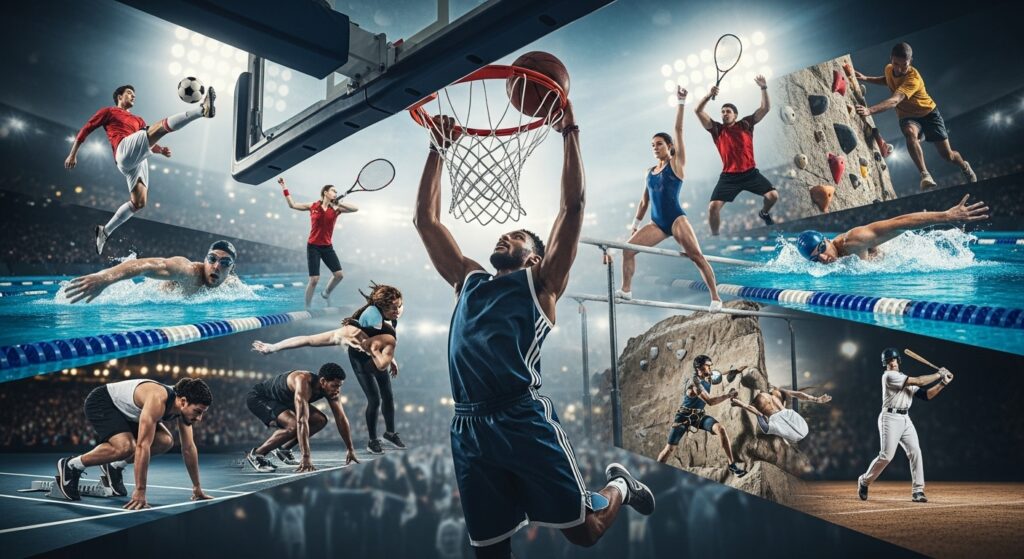
Sports have been an integral part of human civilization for thousands of years. From ancient rituals and competitions to today’s global tournaments, sports have evolved alongside society, reflecting cultural values, technological advancements, and human ambition. The essence of sports lies not only in physical prowess but also in the ability to bring people together, inspire greatness, and teach valuable life lessons. This blog explores the fascinating journey of sports, the diversity of games, the role of athletes, and the impact of sports on society.
Ancient Origins of Sports
The history of sports dates back to prehistoric times, when early humans engaged in activities that tested strength, skill, and endurance. Hunting and survival exercises naturally evolved into competitive games, often used to train warriors and demonstrate physical ability. Ancient civilizations such as Egypt, Greece, and China recorded some of the earliest examples of organized sports.
In ancient Egypt, sports were part of religious ceremonies and social life. Wrestling, archery, and swimming were common, with competitions often held during festivals. Meanwhile, in China, games like cuju, a precursor to modern soccer, were played as early as 200 BCE. These activities were not only recreational but also a method of physical training for soldiers and a tool for social cohesion.
However, it was in ancient Greece that sports truly gained cultural prominence. The Olympic Games, first held in 776 BCE in Olympia, represented a celebration of physical excellence and divine favor. Events like running, discus throwing, and chariot racing highlighted strength, agility, and strategy. Greek sports emphasized discipline, honor, and competition, principles that continue to underpin modern athletics.
The Middle Ages and Sports as Entertainment
During the Middle Ages, sports began to transform into forms of entertainment and leisure rather than purely survival or training exercises. Medieval tournaments, especially in Europe, were grand spectacles. Jousting, sword fighting, and horseback contests drew large crowds, showcasing knights’ skills while reinforcing social hierarchies.
In England, traditional games like football began to take shape. Though vastly different from the organized version known today, these games involved entire villages and were often unruly, combining elements of rugby and soccer. Similar forms of recreational sports existed across Europe, Asia, and the Middle East, each reflecting local customs, climate, and societal norms.
Sports were also intertwined with festivals, religious rituals, and community gatherings. People recognized the value of physical activity not only for entertainment but also for health, competition, and community bonding. This period laid the groundwork for modern organized sports by fostering rules, teams, and spectatorship.
The Birth of Modern Sports
The 19th and 20th centuries marked a revolutionary period in the development of modern sports. Industrialization and urbanization led to more structured leisure time, creating opportunities for organized competitions. Sports clubs, leagues, and associations emerged, formalizing rules and establishing professional careers for athletes.
One of the most significant developments was the codification of rules. Football (soccer), cricket, rugby, and tennis developed standardized regulations that allowed competitions across regions and countries. This standardization not only improved fairness but also made it easier to promote international matches.
The Olympic Games were revived in 1896, symbolizing the globalization of sports. They brought together athletes from diverse nations, emphasizing unity, excellence, and mutual respect. Sports became a universal language, transcending borders and cultural differences.
Additionally, technological advancements like photography, radio, and later television transformed how people experienced sports. Fans could follow their favorite teams and athletes without being physically present, creating a shared sense of excitement and loyalty. Professional sports leagues began to thrive, particularly in football, basketball, and baseball, which became major entertainment industries.
The Role of Athletes in Society
Athletes have always held a special place in society, serving as role models, sources of inspiration, and cultural icons. Their dedication, skill, and perseverance demonstrate the human potential for greatness. From ancient Olympians to contemporary superstars, athletes inspire countless individuals to pursue physical fitness, discipline, and personal goals.
Sports figures often transcend their games, influencing social issues and politics. Athletes like Muhammad Ali, Billie Jean King, and Pelé have used their platforms to advocate for equality, human rights, and social change. Their impact goes beyond medals and trophies, highlighting the connection between sports and societal progress.
Moreover, athletes’ journeys reveal essential life lessons. Hard work, resilience, teamwork, and humility are traits cultivated through sports that resonate beyond the playing field. Whether in local community leagues or professional arenas, athletes embody values that inspire both fans and fellow competitors.
Popular Sports Around the World
Sports vary widely in popularity depending on cultural, geographical, and historical factors. Football (soccer) is the most widely followed sport globally, celebrated for its simplicity and universal appeal. Cricket dominates countries like India, Pakistan, and Australia, while basketball has a massive following in the United States, China, and Europe.
Other sports like tennis, athletics, swimming, and volleyball enjoy international recognition, particularly during events like the Olympics. Extreme sports such as skateboarding, surfing, and rock climbing have grown in popularity among younger generations seeking adventure and adrenaline.
Regional sports also play a crucial role in preserving cultural identity. Sumo wrestling in Japan, Gaelic football in Ireland, and kabaddi in South Asia maintain traditional values while fostering community pride. This diversity highlights how sports reflect societal identity while providing entertainment and competition.
The Science and Technology Behind Sports
Modern sports are no longer just about natural talent. Science and technology have revolutionized training, performance, and safety. Sports medicine, biomechanics, nutrition, and psychology are now integral components of an athlete’s regimen.
Data analytics allows coaches and players to evaluate performance, identify weaknesses, and develop strategic plans. Wearable devices track heart rates, movement patterns, and recovery, optimizing training programs. Advances in equipment technology, such as lightweight materials, aerodynamic designs, and protective gear, enhance both performance and safety.
Even fan engagement has evolved through technology. Virtual reality, live streaming, and interactive platforms provide immersive experiences, allowing enthusiasts to feel part of the action. Technology has bridged gaps between athletes, teams, and fans, transforming sports into a global spectacle.
Women in Sports: Breaking Barriers
Historically, sports were male-dominated, with women facing limited opportunities and recognition. Over time, women have broken barriers, demonstrating talent, resilience, and leadership.
Pioneers like Babe Didrikson Zaharias, Martina Navratilova, and Serena Williams have redefined expectations, inspiring generations of female athletes. Today, women compete at elite levels across nearly all sports, from football and basketball to gymnastics and cricket. Gender equality in sports remains an ongoing struggle, but significant progress has been made through advocacy, policy changes, and public support.
Women’s participation has also challenged stereotypes, encouraging societal shifts regarding strength, competition, and achievement. Female athletes are not just participants; they are leaders, innovators, and cultural icons in their own right.
Sports and Mental Health
Physical benefits of sports are widely recognized, but the psychological advantages are equally vital. Participation in sports reduces stress, improves mood, and promotes cognitive development. Team sports, in particular, foster social connections, communication skills, and a sense of belonging.
Sports also provide an outlet for emotional expression, allowing individuals to channel frustration, anxiety, or energy constructively. Many psychologists advocate for sports as part of holistic mental health programs, emphasizing its role in enhancing self-esteem, resilience, and emotional regulation.
Professional athletes face unique mental health challenges due to performance pressure, public scrutiny, and injuries. Increased awareness and support systems are gradually helping athletes manage these demands, highlighting the importance of mental well-being in achieving peak performance.
The Economic Impact of Sports
Sports are not only cultural phenomena but also significant economic drivers. Professional leagues, sponsorships, broadcasting rights, and merchandise generate billions of dollars worldwide. Major events like the FIFA World Cup, the Olympics, and the Super Bowl attract massive global audiences and investment, boosting local economies.
Sports infrastructure, including stadiums, training facilities, and community centers, creates employment opportunities and stimulates urban development. Tourism associated with sports events provides additional revenue, promoting regional and national growth.
Moreover, the sports industry encourages innovation in marketing, technology, and media, contributing to broader economic and technological advancement. The financial impact of sports extends beyond the game, influencing industries ranging from apparel and broadcasting to tourism and healthcare.
The Future of Sports
The future of sports is dynamic and promising. Emerging trends include e-sports, augmented reality competitions, and global talent exchanges. E-sports have gained legitimacy as professional competition, blending gaming, strategy, and physical coordination. Virtual reality may transform training and fan experiences, creating immersive interactions previously unimaginable.
Sustainability is another crucial focus. Sports organizations are increasingly adopting eco-friendly practices, from stadium construction to event management, reflecting global environmental consciousness. Inclusion and accessibility are gaining attention as well, ensuring that sports are available to all regardless of gender, ability, or socioeconomic status.
The future will likely witness a fusion of traditional sports with technology, innovation, and social awareness. Yet, the core principles—competition, passion, teamwork, and inspiration—will remain unchanged, continuing to define the spirit of sports.
Conclusion
Sports are far more than games; they are a reflection of human history, culture, and ambition. From ancient rituals to modern global spectacles, sports connect people, challenge boundaries, and inspire excellence. Athletes embody the values of dedication, resilience, and teamwork, while sports themselves foster community, entertainment, and social progress.
The evolution of sports illustrates humanity’s relentless pursuit of growth, innovation, and unity. Whether it’s a child playing in a local park, a professional athlete breaking records, or fans cheering in packed stadiums, sports hold a timeless power to bring joy, teach lessons, and shape society.
In a world constantly changing, sports remain a constant reminder of what humans can achieve through effort, passion, and collaboration. They celebrate the triumph of the body, the mind, and the human spirit, ensuring that the legacy of sports will endure for generations to come.