
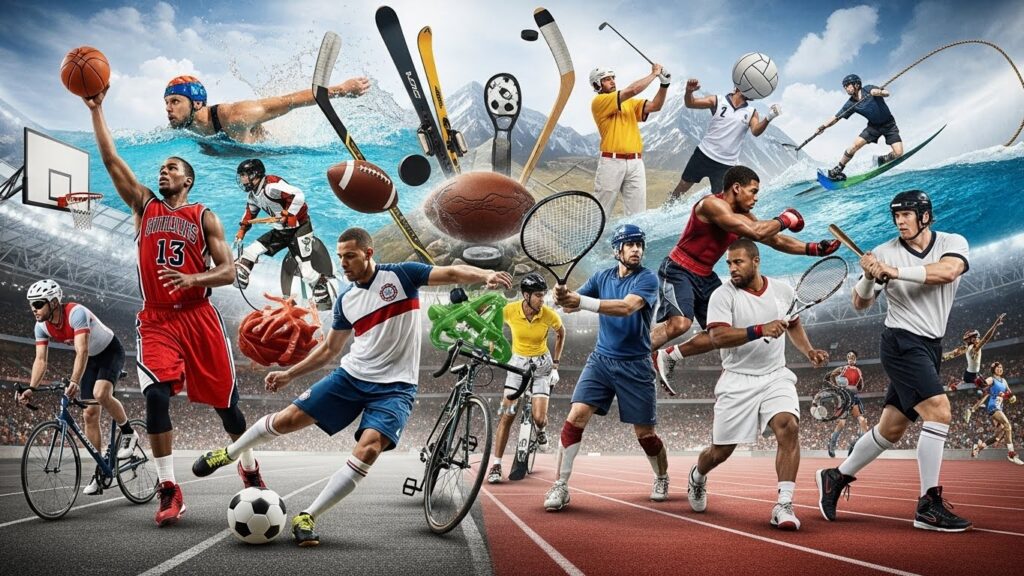
Sports have been an intrinsic part of human civilization for centuries, transcending borders, cultures, and generations. From the ancient Olympic Games in Greece to modern global spectacles, sports serve as more than just physical contests; they reflect the spirit of human endeavor, the pursuit of excellence, and the joy of collective celebration. Whether played professionally, casually, or in community leagues, sports influence individual development, societal cohesion, and global culture in profound ways.
The Universal Language of Sports
One of the most remarkable aspects of sports is its universality. People across continents, regardless of language or heritage, connect through shared experiences of playing, watching, and discussing sports. A football match in Brazil can evoke the same excitement as a basketball game in the United States. Sports foster camaraderie, breaking barriers that often divide communities. The shared thrill of victory or agony of defeat builds empathy and understanding, reminding us that competition can unite rather than separate.
Furthermore, sports encourage communication without words. The gestures, strategies, and teamwork displayed on the field convey emotions and intentions far beyond verbal expression. In many ways, sports operate as a universal language that transcends societal boundaries, creating bonds between diverse groups of people.
Physical and Mental Benefits
The physical benefits of sports are obvious. Engaging in athletic activity improves cardiovascular health, builds strength and endurance, and enhances flexibility and coordination. Regular participation in sports reduces the risk of chronic diseases and promotes a healthier lifestyle overall. Children and adults alike gain the advantage of improved body awareness and motor skills, which can enhance daily life performance.
However, the benefits of sports extend far beyond the physical. Mental health and cognitive abilities are significantly influenced by athletic engagement. Sports teach discipline, patience, and resilience. Athletes learn to manage stress, cope with setbacks, and develop a growth mindset. These skills translate into other areas of life, including academics, career, and personal relationships. Participation in team sports, in particular, cultivates leadership abilities, social skills, and emotional intelligence. In this sense, sports act as a training ground for life itself.
The Role of Sports in Building Character
Sports are often described as a mirror of life, where success is earned through effort, strategy, and perseverance. One of the most profound contributions of sports is the development of character. The discipline required for regular practice, the humility learned in defeat, and the resilience gained in recovery all shape a person’s moral and ethical compass. Athletes are constantly challenged to balance competitiveness with fairness, ambition with integrity, and passion with respect.
Furthermore, sports encourage accountability. In any game, every decision matters, every action has consequences, and every mistake provides an opportunity for learning. This teaches individuals to accept responsibility for their choices, to analyze outcomes critically, and to continuously strive for improvement. These qualities are invaluable, extending far beyond the field or court into personal and professional life.
Sports and Community Connection
Beyond personal development, sports serve as a powerful tool for community building. Local teams, amateur leagues, and recreational sports bring people together, fostering social cohesion and a sense of belonging. Communities gather to cheer, celebrate, and share experiences, reinforcing social bonds and collective identity. Sports events often become cultural milestones, where traditions, rituals, and values are celebrated collectively.
Additionally, sports provide a platform for social change. Initiatives that promote inclusivity, accessibility, and empowerment often utilize sports as a medium. By creating opportunities for underrepresented groups and fostering environments of mutual respect, sports contribute to social equity and community well-being.
The Evolution of Modern Sports
Modern sports have undergone a remarkable transformation, adapting to technological advancements and changing societal values. Professional leagues, international tournaments, and global media coverage have elevated sports to an unprecedented level of visibility and influence. Innovations such as instant replay, wearable performance trackers, and virtual training programs have revolutionized the way athletes prepare, compete, and engage with fans.
At the same time, sports have embraced cultural diversity, breaking stereotypes and celebrating inclusivity. Women’s sports have gained significant recognition, offering role models and opportunities that were historically limited. Adaptive sports for athletes with disabilities have grown, highlighting determination and skill regardless of physical limitations. These developments reflect the evolving nature of sports as a reflection of society itself—dynamic, inclusive, and forward-looking.
Sports as a Catalyst for Inspiration
One of the most compelling aspects of sports is its power to inspire. Athletes’ stories of triumph over adversity, relentless practice, and unwavering commitment motivate millions around the world. From local heroes to global icons, these narratives remind us of human potential and the rewards of perseverance. The emotional connection that sports foster can ignite passion, creativity, and ambition in fans and participants alike.
Moreover, sports teach us that setbacks are not the end but a part of the journey. The comebacks, underdog victories, and unexpected breakthroughs in sports resonate deeply, serving as metaphors for life’s challenges. This capacity to inspire extends beyond personal growth; it influences social attitudes, encourages youth engagement, and nurtures the pursuit of excellence in diverse fields.
Economic and Cultural Impact
The influence of sports is not limited to personal and social dimensions—it also has substantial economic and cultural significance. Sporting events generate employment, tourism, and business opportunities, creating ripple effects that impact local and national economies. Major events, such as the Olympics or World Cup, become platforms for cultural exchange, showcasing traditions, art, and values to global audiences.
Sports also shape popular culture. Fashion, music, language, and media are intertwined with athletic trends and personalities. Iconic moments in sports become cultural touchstones, referenced and celebrated long after the games conclude. This interplay between sports and culture underscores the profound role athletics play in shaping societal narratives and collective memory.
The Future of Sports
As society progresses, the future of sports promises even greater transformation. Advances in technology, nutrition, training methodologies, and sports science are continuously pushing the boundaries of human performance. Virtual reality, artificial intelligence, and data analytics are redefining how sports are played, watched, and analyzed.
At the same time, the ethical and social responsibilities of sports are gaining prominence. Issues such as mental health awareness, environmental sustainability, and inclusivity are increasingly central to sports organizations and athletes alike. The challenge for the future lies in balancing innovation and performance with ethical responsibility, ensuring that sports remain a positive force in society.
Conclusion: More Than Just a Game
Sports are far more than competitions or entertainment; they are a reflection of humanity’s collective spirit. They nurture physical health, mental resilience, social connection, and moral character. They inspire, challenge, and unite, offering lessons that extend well beyond the stadiums and courts. In a rapidly changing world, the values inherent in sports—discipline, teamwork, perseverance, and respect—remain timeless and universal.
Engaging with sports, whether as a player, fan, or supporter, provides a unique lens through which to understand human potential and societal growth. It is a domain where personal ambition intersects with communal celebration, where effort meets creativity, and where triumph is defined not only by victory but by growth and resilience. Ultimately, sports remind us that life itself is a game to be played with passion, integrity, and unwavering dedication.