
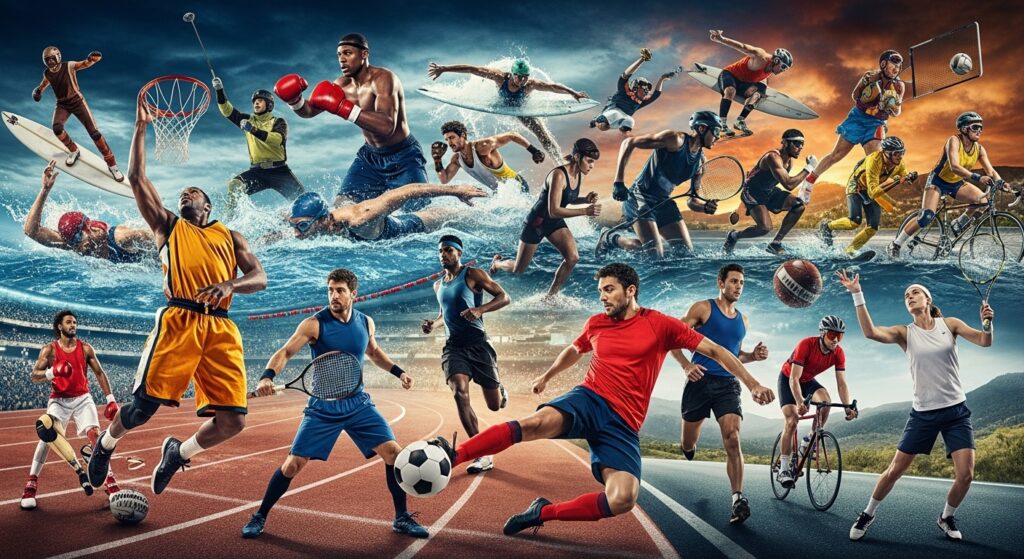
Introduction: The Universal Language of Sports
Sports have always been more than just a pastime; they are a global phenomenon that connects people across cultures, ages, and backgrounds. From local playgrounds to professional arenas, sports inspire passion, teach discipline, and foster unity. Whether played casually for recreation or competitively at professional levels, sports impact not only physical health but also mental well-being and social cohesion. They create communities, inspire personal growth, and reflect the values of society.
Today, sports are a multi-faceted domain that encompasses physical activity, competition, culture, education, and technology. In this blog, we explore the many ways in which sports influence individuals and societies, their cultural significance, and the future of sports in an ever-changing world.
The Origins of Sports: From Ancient Traditions to Modern Competitions
Sports have existed for thousands of years, often tied to cultural rituals, religious practices, and societal needs. Ancient civilizations, such as Greece, Egypt, and China, recognized sports as a means to strengthen the body, sharpen skills, and celebrate human potential. The ancient Olympic Games, dating back to 776 BC, exemplified the pursuit of excellence, competition, and honor. Athletics, wrestling, and chariot racing were not just games—they were reflections of discipline, strategy, and teamwork.
In medieval Europe, sports like jousting, archery, and swordplay tested skill, courage, and precision. As societies progressed, sports evolved into organized competitions with standardized rules. By the 19th and 20th centuries, professional leagues, international tournaments, and structured athletic programs emerged, creating the modern sports landscape we know today. This evolution highlights sports as both a historical tradition and a dynamic cultural force.
Global Popularity and Cultural Impact
Sports have become a global cultural phenomenon. Football, cricket, basketball, tennis, and athletics dominate international attention, drawing millions of spectators and fans. Major events like the Olympics, FIFA World Cup, and international championships unite nations, showcase talent, and promote friendly competition.
Sports also play a central role in shaping cultural identity. They reflect national values, traditions, and history. Football in Brazil, cricket in India, rugby in New Zealand, and baseball in the United States are not merely games; they are part of a nation’s cultural fabric. Through sports, people express pride, celebrate achievements, and connect with shared traditions.
Physical and Mental Benefits of Sports
The benefits of sports extend far beyond entertainment. Physical activity strengthens the heart, builds muscle, improves flexibility, and promotes overall health. Engaging in sports regularly reduces the risk of chronic diseases such as diabetes, heart disease, and obesity.
Mental health benefits are equally significant. Sports teach focus, discipline, resilience, and emotional regulation. Physical activity releases endorphins, which help reduce stress, anxiety, and depression. Participation in sports also fosters confidence, goal-setting, and perseverance, equipping individuals with essential life skills that extend beyond the playing field.
Team Sports: Collaboration and Leadership
Team sports such as football, basketball, rugby, and volleyball emphasize collaboration and shared responsibility. Success in these sports depends on teamwork, communication, and mutual trust. Players learn to balance individual skills with team goals, support one another, and adapt to different personalities.
Leadership skills are cultivated in team sports as well. Captains and experienced players motivate teammates, strategize, and guide their peers. These lessons in teamwork and leadership often translate into personal and professional life, demonstrating how sports shape character beyond physical performance.
Individual Sports: Self-Discipline and Personal Growth
Individual sports, including tennis, gymnastics, swimming, athletics, and martial arts, focus on personal skill, discipline, and self-motivation. Athletes in these sports are solely responsible for their performance, learning accountability and resilience.
Participating in individual sports teaches athletes to set personal goals, overcome challenges, and manage pressure. The journey of self-improvement fosters mental toughness, self-confidence, and a sense of personal achievement. Individual sports provide unique opportunities for self-reflection and growth that complement the social aspects of team sports.
Sports in Education: Nurturing Young Minds
Sports play a vital role in education. School and college sports programs promote physical fitness, teamwork, and discipline. They encourage students to balance academic responsibilities with extracurricular activities, developing time management skills and personal accountability.
Educational institutions often use sports as a tool to teach life lessons. Students learn the importance of fair play, perseverance, and resilience. Sports scholarships and development programs open doors to higher education and professional opportunities, helping young athletes pursue their passions while achieving academic success.
Economic Significance of Sports
Sports have evolved into a major economic sector. Professional leagues, sponsorships, broadcasting rights, sports tourism, and merchandise contribute billions of dollars annually to the global economy. Major events like the FIFA World Cup and the Olympics stimulate local economies by attracting tourism, creating jobs, and driving infrastructure development.
Athletes, coaches, managers, and sports analysts benefit from lucrative careers. Digital media and sports journalism also thrive on global demand, creating additional opportunities for entrepreneurship and innovation within the industry. The economic impact of sports highlights their role not just as entertainment but as a driving force for global business and innovation.
Technology and the Future of Sports
Technology has transformed the sports landscape. Instant replay, goal-line technology, and video assistant referees ensure fair competition, while wearable devices track performance metrics such as heart rate, speed, and fatigue. Analytics help coaches and athletes refine strategies and optimize training programs.
Virtual reality and augmented reality create immersive experiences for both fans and players. Social media connects fans to athletes and events worldwide, fostering interactive communities. Technology continues to expand the reach and impact of sports, making them more accessible, engaging, and dynamic than ever before.
Sports and Social Change
Sports have the power to drive social progress. Athletes use their platforms to raise awareness about social justice, gender equality, and environmental issues. Community sports programs empower underprivileged youth, teaching life skills, fostering confidence, and providing safe spaces for growth.
Sports also foster diplomacy and understanding. International competitions bring nations together, promoting peaceful interaction and cultural exchange. Through these experiences, sports help break down barriers, bridge differences, and encourage unity.
Esports: A Modern Evolution
Esports, or competitive gaming, has emerged as a new form of sport in the digital age. Millions of players and spectators engage with games professionally, competing in tournaments that rival traditional sports in prize money and viewership. Esports demonstrates that sports are not limited to physical activity—they can thrive in digital arenas where skill, strategy, and teamwork are paramount.
Esports also provides career opportunities for players, commentators, analysts, and content creators. Its popularity among younger generations ensures that the definition of sports will continue to evolve alongside technology and global trends.
The Future of Sports
The future of sports promises innovation, inclusivity, and global engagement. Advances in technology will enhance training, performance analysis, and fan experiences. Adaptive sports for people with disabilities are gaining recognition, and opportunities for women athletes continue to expand worldwide.
Virtual reality, augmented reality, and digital platforms will redefine how sports are played, viewed, and experienced. Despite these innovations, the core values of sports—discipline, resilience, teamwork, and fair play—will continue to guide athletes and communities for generations to come.
Conclusion: Sports as a Catalyst for Growth and Unity
Sports are far more than games. They are a catalyst for personal growth, social connection, and cultural development. They teach discipline, resilience, leadership, and teamwork while promoting physical and mental well-being. Sports unite people across borders, inspire innovation, and reflect the best qualities of humanity.
From neighborhood playgrounds to global arenas, sports influence individuals and societies profoundly. They challenge us, entertain us, and bring us together, proving that the impact of sports goes far beyond the scoreboard. As sports continue to evolve, they will remain a vital part of life, shaping communities, cultures, and futures across the world.