Introduction: The Universal Power of Sports
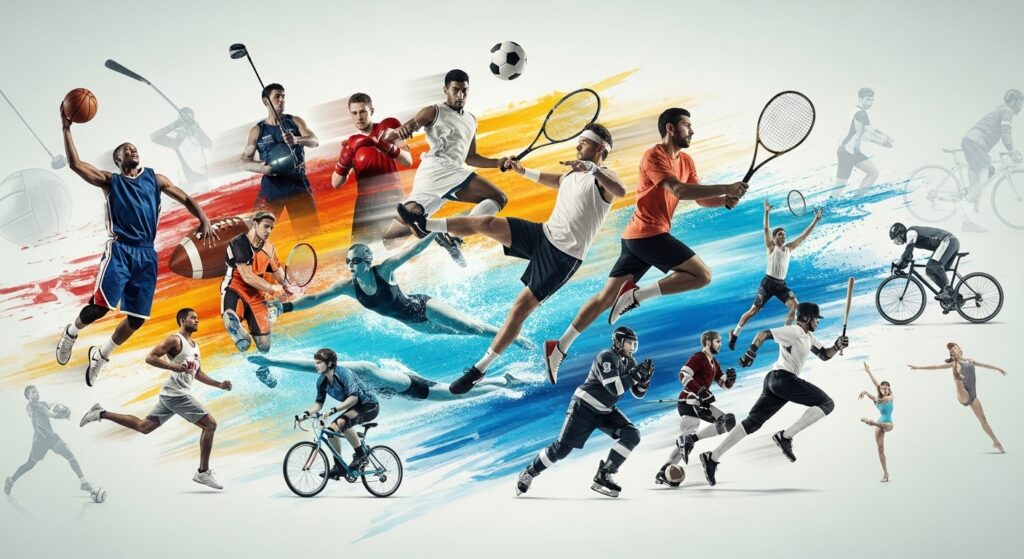
Sports have been a part of human civilization for as long as history can remember. From ancient rituals and early athletic competitions to the modern-day global phenomenon we witness today, sports have always held a unique place in the hearts and minds of people worldwide. They are not just games played for leisure or competition; they are tools that unite communities, build character, and showcase the very best of human potential.
What makes sports so universally appealing? How do they transcend cultures, languages, and borders? This blog post will explore the journey of sports from ancient times to the present day, their impact on society, and why they continue to be a central force in our lives.
The Early Beginnings: Sports in Ancient Civilizations
The origins of sports can be traced back to some of the earliest human civilizations. In fact, many of the activities that we now consider sports were initially developed for religious purposes, military training, or communal bonding. Early forms of competition were often used to celebrate seasonal changes, honor deities, or prepare warriors for battle.
The Role of Sports in Ancient Egypt
In ancient Egypt, sports were an essential part of life, with both children and adults participating in physical activities that ranged from archery to wrestling. Many of these sports were seen as a way to develop strength and agility, preparing individuals for hunting or combat. The Egyptians also enjoyed early forms of ball games, swimming, and racing, all of which showcased their athleticism and physical prowess.
Ancient Greece: The Birth of Organized Competition
The Greeks are often credited with formalizing sports and giving rise to the competitive spirit that we recognize today. The Olympic Games, first held in 776 BCE, marked a turning point in the history of sports. Initially, the Olympics were a religious festival honoring the Greek gods, particularly Zeus, but they soon became a focal point for showcasing athletic talent and fostering a sense of unity among the Greek city-states.
The ancient Olympics featured events such as foot races, wrestling, boxing, and chariot races, many of which are still part of the modern Olympic Games. These early games not only celebrated the human body’s potential but also embodied the Greek ideals of excellence, discipline, and honor.
Rome: Sports as Spectacle and Power
While the Greeks focused on the individual athlete’s pursuit of excellence, the Romans took a more theatrical approach to sports. The Romans were known for their gladiatorial games, chariot races, and large-scale public spectacles, often held in colossal arenas like the Colosseum. These events were not just competitions but opportunities for the Roman Empire to demonstrate its power, control, and opulence to both citizens and captured peoples.
Unlike the Greeks, who viewed sports as an honorable activity for the elite, the Romans used sports as a tool for maintaining public order and keeping the masses entertained. Gladiators, often slaves or prisoners of war, fought to the death in brutal contests, while chariot races attracted crowds of tens of thousands. Despite their violent nature, these events played an important role in Roman society, and their legacy can still be seen in today’s professional sports leagues and large stadiums.
The Rise of Modern Sports: 19th Century and Beyond
The industrial revolution in the 19th century and the accompanying changes in society, technology, and communication set the stage for the development of modern sports. As cities grew and people had more leisure time, the demand for organized, standardized forms of recreation increased. This period saw the establishment of many of the sports we recognize today, as well as the rise of professional leagues and international competitions.
The Birth of Popular Sports
The 19th century gave birth to several sports that would eventually become global phenomena. Football (soccer), rugby, tennis, and baseball were formalized during this period, with standardized rules and regulations that allowed for organized competition. The formation of sports clubs, the creation of national and international federations, and the advent of the first professional leagues marked the beginning of sports as we know them today.
In England, football clubs like Manchester United and Liverpool emerged, while the United States saw the creation of the National Football League (NFL) and Major League Baseball (MLB). These leagues and clubs not only established the foundation for modern professional sports but also became integral to local and national identities.
The Modern Olympic Games
In 1896, the modern Olympic Games were revived in Athens, thanks in part to the efforts of Pierre de Coubertin. Unlike the ancient Olympics, which were limited to Greece, the modern Olympics aimed to bring together athletes from all over the world to compete in a spirit of unity and friendship. The first modern Games featured 13 countries and 43 events, and today, the Olympics are the largest and most prestigious multi-sport event in the world, with thousands of athletes from over 200 countries competing in hundreds of events.
The Olympics are an unparalleled demonstration of athletic achievement, but they also highlight the power of sport to unite people from different cultures and backgrounds. The Games have served as a platform for significant social and political moments, such as when African-American athletes Tommie Smith and John Carlos raised their fists in protest against racial injustice during the 1968 Games in Mexico City.
Sports in the Media Age: Globalization and Commercialization
With the advent of television and the internet in the 20th century, sports became a global spectacle. Major sporting events like the FIFA World Cup, the Super Bowl, and the Olympics began to attract millions of viewers worldwide. This not only changed how people experienced sports but also transformed sports into a commercial enterprise.
The Influence of Television and Broadcasting
Television played a pivotal role in the globalization of sports. Before TV, only local spectators could watch live games, but the broadcast of games to millions of people around the world made sports accessible to a far larger audience. The rise of satellite television and cable networks, such as ESPN, further expanded the reach of sports, turning athletes and competitions into global brands.
Sports networks and streaming services now generate billions of dollars annually by broadcasting games, documentaries, and other sports-related content. The money from television deals has fueled the growth of professional leagues, increased athletes’ salaries, and transformed sports into a multi-billion-dollar global industry.
The Business of Sports: Sponsorship and Marketing
In addition to television rights, sponsorship and marketing have become major revenue sources for sports organizations and athletes. Brands such as Nike, Adidas, and Coca-Cola spend billions of dollars annually to sponsor athletes, teams, and events. These partnerships help drive the commercialization of sports, creating an ecosystem where athletes not only earn money from their performances but also from product endorsements.
Athletes themselves have become global icons, with stars like Michael Jordan, LeBron James, and Cristiano Ronaldo earning as much, if not more, from endorsements than from their salaries. The power of sports marketing has made these athletes influential in both the sports world and the business world, with the potential to shape consumer trends, global culture, and social issues.
The Social and Cultural Impact of Sports
Sports are not just about competition—they are a reflection of society itself. They have the power to challenge social norms, push boundaries, and even drive political change. From grassroots youth leagues to international events, sports offer opportunities for individuals to come together, transcend differences, and celebrate shared humanity.
Sports as a Tool for Social Change
Sports have long been used as a platform to advocate for social and political causes. Athletes have historically used their prominence to speak out against injustice, discrimination, and inequality. The actions of figures like Jackie Robinson, who broke the color barrier in Major League Baseball, and Muhammad Ali, who used his boxing platform to protest the Vietnam War, show how sports can serve as a powerful tool for social change.
The increasing visibility of women’s sports is another important step in the ongoing push for gender equality. Female athletes, once sidelined or overlooked, are now gaining more recognition, support, and opportunities to compete at the highest levels. Events like the Women’s World Cup and the WNBA have raised the profile of women’s sports and encouraged young girls to pursue their athletic dreams.
Sports and National Identity
In many ways, sports are tied to national identity. Countries rally around their teams during major international competitions, and victories on the world stage can have profound emotional significance. For example, when Brazil wins the FIFA World Cup, it becomes a national celebration, as it does when the United States takes home gold at the Olympics. Sports provide a way for nations to showcase their culture, history, and pride to the world.
Moreover, sports can also foster a sense of community and belonging. Whether it’s a small-town football team or a major league soccer club, sports bring people together, creating connections between individuals who might otherwise never interact.
The Future of Sports: Inclusivity and Innovation
As we look toward the future, sports will continue to evolve. The integration of technology, such as virtual reality and AI, will change how fans experience games, how athletes train, and how competitions are organized. The growing focus on mental health and athlete well-being will reshape how athletes approach their careers, while the push for inclusivity will ensure that sports become accessible to more people, regardless of gender, race, or background.
Technology and the Evolution of Fan Experience
Virtual reality (VR) and augmented reality (AR) are already changing how fans experience sports. VR headsets will soon allow fans to feel as though they are sitting courtside at a basketball game or standing in the middle of a football field during the Super Bowl. In addition, advancements in data analytics and wearable technology are helping athletes achieve higher levels of performance and reducing the risk of injury.
Embracing Diversity and Inclusion
The future of sports also lies in greater diversity and inclusion. As women’s sports gain more recognition and opportunities, the conversation around accessibility for athletes with disabilities is also gaining traction. Organizations are beginning to understand the importance of providing platforms where everyone, regardless of background or physical ability, can compete at the highest levels.
Conclusion: Sports as a Unifying Force
Sports are much more than just games—they are an expression of our shared humanity. From the excitement of a local match to the grandeur of the World Cup, sports create a sense of connection, inspire social change, and provide a platform for individuals to showcase their talents. As we continue to evolve, the world of sports will adapt, bringing with it new innovations and opportunities for growth. But one thing will remain unchanged: sports will continue to captivate and unite us all.