
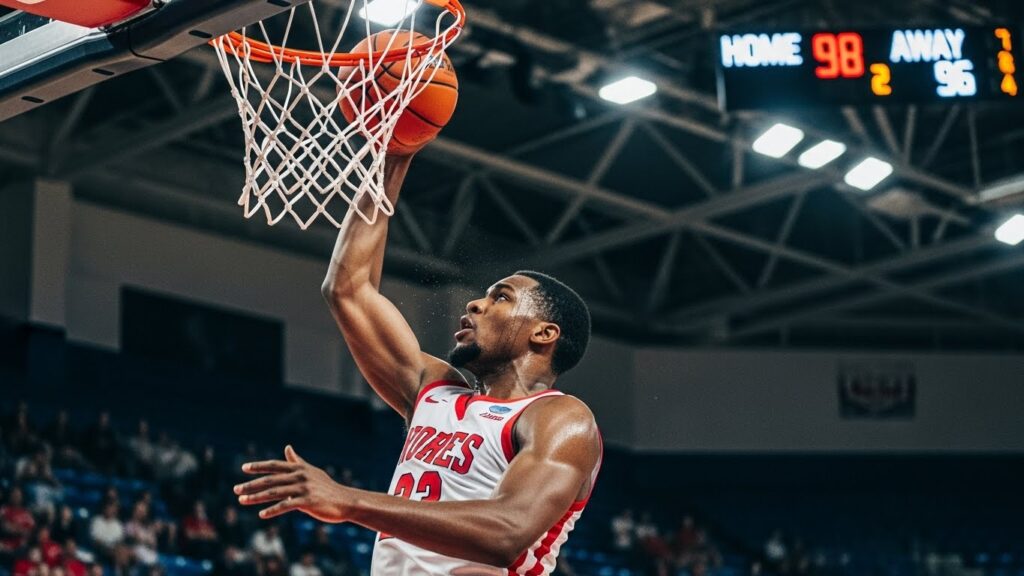
Sports have always been more than just a form of entertainment. Across the world, they shape cultures, inspire generations, and foster unity among people of diverse backgrounds. Whether it’s the roar of a stadium, the quiet focus of a lone runner, or the camaraderie of a local team, sports touch every aspect of life. In this blog post, we will explore the multifaceted impact of sports on individuals, society, and the global community.
The Universal Language of Sports
One of the most remarkable aspects of sports is its universality. Across continents, cultures, and languages, sports act as a bridge between people. A game of football in Brazil, cricket in India, basketball in the United States, or soccer in Europe carries emotions and passion that transcend language. Even when people cannot understand each other, the rules, skills, and excitement of sports create a common ground.
Sports are often seen as a reflection of society’s values. They promote teamwork, fairness, discipline, and perseverance. When nations come together for international tournaments, the world witnesses not only competition but also cultural exchange. Fans cheer not just for victory but for the spirit of the game, creating bonds that can last a lifetime.
Physical Benefits of Sports
At the most basic level, sports are essential for maintaining physical health. Regular participation in physical activity strengthens the heart, muscles, and bones. It improves flexibility, endurance, and overall fitness. Sports like swimming, cycling, running, and tennis provide cardiovascular benefits, while weightlifting and resistance training enhance muscle strength.
Moreover, engaging in sports reduces the risk of chronic diseases such as diabetes, hypertension, and obesity. It also boosts the immune system and improves sleep patterns. The physical benefits of sports are not limited to professional athletes; even casual players experience enhanced energy, stamina, and a healthier body.
Mental Health and Emotional Wellbeing
Sports are not just a physical endeavor—they are a mental one too. Participation in sports has profound effects on mental health. Physical activity triggers the release of endorphins, the brain’s natural mood enhancers. These endorphins reduce stress, anxiety, and symptoms of depression.
Team sports, in particular, provide emotional support through social interaction. Athletes learn to cope with wins and losses, setbacks, and successes, which builds emotional resilience. Sports also foster a sense of accomplishment. Achieving a personal best or winning a match boosts self-esteem and confidence, which can positively influence other areas of life.
Discipline and Time Management
One of the most significant life lessons sports teach is discipline. To excel in any sport, athletes must commit to rigorous practice schedules, maintain proper nutrition, and adhere to training regimes. This discipline often translates into other aspects of life, including academics, careers, and personal relationships.
Time management is another crucial skill developed through sports. Balancing practice, competitions, rest, and personal life requires careful planning and prioritization. Young athletes, in particular, learn early how to manage their time effectively, a skill that benefits them long after their sporting career ends.
Teamwork and Social Skills
Sports are an exceptional platform for developing social skills and teamwork. In team sports like basketball, football, or volleyball, players must communicate effectively, trust each other, and work toward a common goal. Success depends not only on individual talent but also on cooperation, strategy, and mutual support.
These experiences help individuals develop empathy, leadership, and conflict-resolution skills. The ability to work harmoniously in a group is invaluable, not just in sports but in professional and personal life. Sports also create lifelong friendships, forming bonds that extend beyond the field or court.
Sports and Cultural Identity
Sports often play a significant role in shaping cultural identity. They reflect traditions, historical achievements, and national pride. For example, cricket in India is more than a sport; it is a part of the country’s cultural fabric, influencing social gatherings, festivals, and conversations. Similarly, soccer in Brazil is deeply embedded in local culture, creating a shared sense of identity among its citizens.
International sporting events like the Olympics or World Cups serve as platforms where nations showcase their cultural heritage. Athletes become ambassadors of their countries, and fans celebrate not only the competition but also the diversity and uniqueness of global cultures.
Inspiring the Next Generation
One of the most powerful aspects of sports is its ability to inspire. Young people look up to athletes as role models, drawing motivation from their dedication, talent, and perseverance. Stories of athletes overcoming adversity, injuries, or personal challenges resonate deeply and encourage the next generation to pursue their dreams.
Sports also promote inclusivity and equality. Initiatives supporting women’s sports, adaptive sports for individuals with disabilities, and grassroots programs in underprivileged communities create opportunities for all. By seeing diverse athletes succeed, children learn that hard work, determination, and resilience can break barriers and achieve excellence.
Economic and Social Impact of Sports
Beyond personal benefits, sports have a significant economic and social impact. Sporting events generate jobs, stimulate tourism, and contribute to local economies. Stadiums, sports academies, and recreational facilities provide employment and drive development in surrounding areas.
Moreover, sports can be a tool for social change. Programs that encourage youth participation, community engagement, and health awareness leverage the popularity of sports to address social challenges. By fostering a sense of community and shared purpose, sports create positive societal outcomes that extend far beyond the game itself.
The Role of Technology in Modern Sports
Technology has revolutionized sports in multiple ways. Advanced analytics, wearable devices, and performance-tracking systems allow athletes and coaches to optimize training and improve performance. Video reviews and instant replays enhance fairness in competitions and provide fans with deeper insights into the game.
Additionally, technology has transformed how fans experience sports. Live broadcasts, social media, and interactive platforms bring global audiences closer to events, breaking geographical barriers. Virtual reality and augmented reality are now creating immersive experiences, allowing fans to feel as though they are part of the action.
Challenges in Sports
Despite its many benefits, sports also face challenges. Injuries, overtraining, and burnout are common among athletes. The pressure to perform at elite levels can lead to mental health struggles, including stress, anxiety, and depression. Addressing these issues requires proper coaching, medical support, and awareness about mental and physical wellbeing.
Another challenge is ensuring fairness and integrity in sports. Doping, corruption, and unethical practices threaten the spirit of competition. Strong regulations, transparency, and ethical practices are essential to maintain trust and ensure that sports remain a positive force in society.
The Future of Sports
The future of sports is exciting and full of potential. Emerging trends such as eSports, adaptive sports, and virtual competitions are expanding what it means to be an athlete. Sustainability initiatives are reshaping how events are hosted, focusing on environmental responsibility and reducing the carbon footprint.
Sports will continue to play a pivotal role in education, health, and community development. They will remain a platform for cultural exchange, social change, and personal growth. As society evolves, sports will adapt, yet their core values—teamwork, perseverance, fairness, and passion—will remain timeless.
Conclusion: More Than Just a Game
Sports are far more than a pastime or entertainment—they are a powerful force that shapes individuals, communities, and societies. They promote physical health, mental wellbeing, discipline, and teamwork. They inspire generations, preserve cultural identity, and create economic and social opportunities.
Every match played, every goal scored, and every victory achieved contributes to a larger narrative of human resilience, passion, and connection. Whether you are an athlete, a fan, or someone discovering sports for the first time, the transformative power of sports is undeniable. They remind us that success is not only measured by winning but also by growth, effort, and the spirit of the game.
In a world that often seems divided, sports continue to unite, inspire, and elevate humanity—proving that the value of a game goes far beyond the scoreboard.